
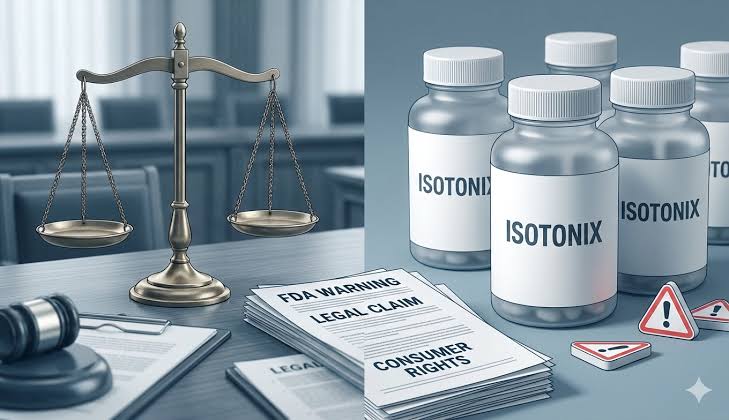

Consumers who purchased Isotonix supplements and felt misled by the product’s health claims may have legal options worth exploring. A growing number of buyers have questioned whether these supplements deliver on their promises, and understanding what a class action lawsuit is can help clarify what those options look like. The Isotonix lawsuit centers on whether the brand’s marketing crossed the line into deception, and affected customers may be entitled to compensation.
Navigating that process does not have to be complicated or expensive. Sparrow helps everyday consumers understand their eligibility and join class action lawsuits without the legal jargon or upfront costs that typically get in the way.
Table of Contents
- What Is the Isotonix Lawsuit About?
- Who May Be Eligible to File an Isotonix Lawsuit Claim?
- Has the Isotonix Lawsuit Reached a Settlement?
- How to Check Eligibility for a Lawsuit and File a Claim
- Tips for Avoiding Missed Settlement Payments
- How Sparrow Makes Settlement Claims Easier
- Start Finding Money You May Be Owed with Sparrow
Summary
- Class action lawsuits involving consumer products frequently stem from a combination of regulatory violations and disputes over compensation structures, not just a single isolated incident. The Isotonix legal matters involve both an FDA warning letter citing unreported hospitalizations and a failure to meet labeling standards, as well as separate federal court filings by former distributors alleging a pyramid-scheme structure. These two tracks reinforce each other, but they also affect different groups of people in different ways.
- Marketing claims carry legal weight when they influence purchasing decisions. Isotonix products were marketed with a 90% faster absorption rate than traditional supplements, a claim that drove both consumer purchases and distributor enrollment. When the FDA later documented failures to report hospitalizations linked to Isotonix OPC-3, the distance between that core marketing claim and the regulatory record became a central issue in evaluating the product’s credibility.
- The financial stakes in distributor-based lawsuits can be significant for individual plaintiffs. One named plaintiff in the proposed class action against Market America documented approximately $35,000 in personal losses before leaving the UnFranchise system. Courts were asked to evaluate whether the compensation model generated income primarily through recruitment rather than retail sales, which is the defining legal question in pyramid scheme allegations.
- No verified public settlement has been reached for Isotonix-related consumer claims as of mid-2026. The distributor cases were compelled into private arbitration, sealing their outcomes from public view, and no consumer claims administrator or settlement fund has been established. This matters because many websites present speculative eligibility checklists as if a claims process were already open, leading consumers to gather documentation for a filing window that does not exist.
- Unclaimed class action settlement money is a structural problem across the broader legal landscape, not just in supplement cases. When consumers encounter confusing forms, unfamiliar legal terminology, or unclear eligibility criteria, they close the tab and never return. One supplement class action unrelated to Isotonix, covering Balance of Nature products, reached a Final Approval Hearing in March 2026 with payments still pending, illustrating how long the gap between legal action and actual consumer recovery can stretch even in verified cases. A separate beef-products settlement was resolved for $87.5 million for purchasers over a five-year period, showing how product-based consumer claims can aggregate into meaningful recoveries when the evidence is solid.
- Preserving documentation is the most time-sensitive action available to consumers right now, regardless of whether a broader settlement materializes. Purchase confirmations, bank statements showing recurring charges, and any distributor correspondence about product performance are the records that support both individual legal consultations and future class participation. These materials quietly disappear over time as email accounts close and financial records are cycled out of storage.
- Sparrow helps consumers join class action lawsuits by monitoring verified, active settlements, pre-filling claim forms, and handling submission so the step where most people stop is completed before it becomes an obstacle.
What Is the Isotonix Lawsuit About?
The Isotonix lawsuit focuses on two documented failures by Market America: a federal regulatory action over unreported safety incidents and mislabeled supplements, and separate court filings by former distributors claiming the business model was structured as a pyramid scheme. These are official records, not rumors.
“The Isotonix lawsuit stems from two separate, documented legal actions — a federal regulatory failure and pyramid scheme allegations — both rooted in official court and agency records.” — Case Summary
🚨 Warning: Many consumers confuse online complaints with legally documented claims. The Isotonix case is built on official filings, making it far more serious than typical product criticism.
💡 Key Point: Understanding the two distinct legal tracks — federal regulatory action vs. distributor pyramid scheme claims — is essential before drawing any conclusions about Market America’s liability.
| Legal Track | Core Allegation |
|---|---|
| Federal Regulatory Action | Unreported safety incidents & mislabeled supplements |
| Distributor Court Filings | Business model structured as a pyramid scheme |

What regulatory findings does the Isotonix lawsuit involve?
According to Reserved Powers, Isotonix marketing claimed 90% faster absorption than traditional supplements, a central selling point for buyers and distributors. When the FDA found that Market America failed to report hospitalizations linked to Isotonix OPC-3, the gap between marketing claims and documented reality became impossible to ignore. Labeling violations matter beyond technical compliance. When serving sizes are listed incorrectly, or nutrient declarations use nonstandard names, you cannot make informed decisions about what you consume. The FDA’s warning letter treated these as serious failures and required Market America to correct procedures within 15 working days.
How did the pyramid scheme allegations shape the Isotonix lawsuit?
ClassAction.org reports that the proposed class action alleges the UnFranchise system generated revenue primarily through recruitment rather than retail sales. One plaintiff documented roughly $35,000 in personal losses before departing. What makes this lawsuit significant is the pattern: marketing built on performance claims, regulatory findings that contradict the label, and a compensation structure courts evaluated as potentially illegal.
Who qualifies to file a claim in the Isotonix lawsuit?
Most people who bought Isotonix or joined as distributors never connected their purchase to a regulatory warning letter or lawsuit. Platforms like Sparrow address this gap by surfacing eligible claims and handling filing, removing barriers of knowledge and time. Who qualifies to file a claim is broader than most people expect.
Who May Be Eligible to File an Isotonix Lawsuit Claim?
There is no certified class action case about Isotonix products in public federal court records right now. This means that the eligibility rules you see on consumer websites are not based on real legal documents — they are just guesses, not taken from an official class certification order or settlement notice.
“Eligibility criteria published on consumer lawsuit websites are not sourced from official class certification orders or settlement notices — they are speculative until a case is formally certified.” — Legal Consumer Advocacy Guidance
⚠️ Warning: Do not rely on third-party consumer websites to determine your eligibility. Until an official class certification order exists, no verified eligibility criteria have been legally established.
🔑 Key Takeaway: Because there is no certified class action on record, any eligibility requirements circulating online are unverified speculation — always consult a qualified attorney before taking action.
| What Exists | What Does NOT Exist |
|---|---|
| General consumer complaints about Isotonix products | A certified class action in federal court |
| Speculation on consumer lawsuit websites | An official class certification order |
| Informal eligibility “guesses” online | A verified settlement notice or legal eligibility criteria |

Why do eligibility checklists appear online without a real Isotonix lawsuit filing?
Content sites often identify a regulatory action, distributor dispute, or FDA warning letter, then work backward to create an eligibility checklist as if a claims portal were already open. People who purchased Isotonix OPC-3, Isotonix Multivitamin, or other Market America supplement products between specific date ranges read those lists and gather receipts and medical records. None of that preparation connects to a verified filing process because no such process exists for consumer-injury or false-advertising claims tied to Isotonix as of mid-2026.
What does real legal exposure look like for former distributors?
Former Market America distributors have the strongest legal standing. The 2017 and 2019 proposed class actions alleged that the UnFranchise compensation model operated as a pyramid scheme, with participants paying enrollment fees and purchasing Business Development Centers while earning commissions that depended on recruitment rather than on retail sales. Those cases were forced into private arbitration under distributor agreements, sealing outcomes and preventing public claims. If you signed a distributor agreement, purchased Business Development Center inventory, or paid ongoing qualification fees and later lost money, consult a private attorney, even if no class action is currently available to join.
How can you verify an Isotonix lawsuit settlement claim is legitimate?
Most people seeking class action settlements complete official-looking forms without verifying their legitimacy. Without a verified docket number, named claims administrator, or court-issued settlement notice, these forms are invalid. Platforms like Sparrow track verified, active settlements across federal and state courts, allowing consumers to confirm a claim’s authenticity before investing time.
What can individual consumers still do right now?
Individual consumers who bought Isotonix products and experienced documentable harm can consult a private attorney about claims under state consumer-protection statutes or product-liability law. Consumer settlements can reach significant scale—one beef products case resolved at $87.5 million for purchasers between 2014 and 2019—demonstrating how product-based claims can accumulate into meaningful recoveries with solid evidence. Proof of purchase, a clear timeline, and records connecting the product to a specific financial or physical injury are essential to a viable claim.
What records should you preserve for an Isotonix lawsuit claim?
Save records immediately: emails confirming auto-ship orders, bank statements showing recurring charges, and messages from distributors about product performance can disappear over time. A larger settlement remains uncertain and could significantly alter calculations for thousands of people.
Related Reading
- What Is A Class Action Lawsuit
- What Is A Class Action Settlement
- How Do Class Action Settlements Work
- How To Find Unclaimed Money
- Are Class Action Settlements Taxable
- Doge Transparency FOIA Lawsuit
- Google Android Cellular Data Lawsuit
- Pima County Sheriff Lawsuit
- Ozempic Lawsuit
- General Motors V8 Engine Lawsuit
Has the Isotonix Lawsuit Reached a Settlement?
As of mid-2026, there is no verified public settlement for the Isotonix lawsuit. Legal matters connected to Market America and its Isotonix product line remain sealed in private arbitration or unresolved in federal court. There is no claims administrator, settlement fund, or consumer payout process in place.
“As of mid-2026, there is no verified public settlement for the Isotonix lawsuit: no claims administrator, no settlement fund, and no consumer payout process has been established.” — Current Case Status
⚠️ Warning: Do not submit personal or financial information to any third-party site claiming to offer an Isotonix settlement payout. No official process exists as of this writing.
🔑 Takeaway: The Isotonix lawsuit remains unresolved, with proceedings either locked in private arbitration or pending in federal court. Consumers should monitor only official legal sources for updates.

Does the Balance of Nature timeline apply to the Isotonix lawsuit?
The Balance of Nature class action covers March 28, 2019 to October 27, 2025, with a claim deadline of March 11, 2026. This case involves Balance of Nature supplements under Morris v. Evig, LLC, not Market America or Isotonix products. Consumers searching for “Isotonix settlement” often land on pages that reference this case and assume the eligibility windows apply to their purchases. They do not. Confusing separate supplement lawsuits is one of the most consistent errors consumers make when researching their options.
What does the hearing gap mean for Isotonix lawsuit claimants?
A Final Approval Hearing was held on March 6, 2026, and no court decisions have been issued yet. Even in a legitimate, well-documented supplement class action, the gap between a hearing and actual consumer payments can stretch months further. For a case like Isotonix, where no equivalent public proceeding exists, the timeline has not started.
What happens when consumers wait too long without verified information?
Most consumers bookmark pages, keep receipts, and wait for a notice that never arrives. Documentation disappears, email accounts close, and the chance for individual legal help diminishes while people await a group process that may never become public. Platforms like Sparrow solve this problem by searching for verified, active claims that consumers qualify for based on their purchases, removing the uncertainty of whether a settlement is real before time is spent gathering proof.
Why does misinformation about the Isotonix lawsuit keep spreading?
The failure point is the gap between what search results promise and what court dockets confirm. Websites listing Isotonix among eligible supplement lawsuits combine loosely related regulatory actions, distributor disputes, and unrelated supplement cases into a single, misleading category. The FDA warning letter issued in February 2020 is real, as are the allegations of a pyramid scheme from former distributors. Neither, however, creates a consumer claims fund without a certified class, a court-approved settlement, and a claims administrator. These three elements are absent from every Isotonix-related federal docket reviewed through mid-2026.
What does waiting actually cost consumers in the Isotonix lawsuit?
Waiting for clarity is itself a decision. Every month without action makes personal purchase records harder to reconstruct, narrows individual legal options, and shrinks the realistic path to recovery. Consumers best positioned are those who already know exactly what they bought, when, and what was represented to them. Once you understand how much of this process can be handled for you, the whole thing starts to feel less like a legal problem and more like a missed paycheck.
Related Reading
- Costco Sonoma County Lawsuit
- Apple Class Action Lawsuit
- At&t Class Action Lawsuit
- Temu Lawsuit
- Hexclad Lawsuit
- Nightfall Group Lawsuit
- Capital One Class Action Lawsuit
- Life360 Lawsuit
- Dapper Development Lawsuit
- Amazon Fire TV Stick Lawsuit
- Minnesota Ice Lawsuit
How to Check Eligibility for a Lawsuit and File a Claim
Figuring out whether you qualify for compensation starts with checking the case and following official procedures instead of relying on online summaries.
“The single most important step in claiming compensation is verifying eligibility through official legal channels — not third-party summaries that may be outdated or incomplete.”
💡 Tip: Always go directly to the official case website or court filing to confirm your eligibility status — unofficial sources can contain outdated or inaccurate information that may cause you to miss critical deadlines.
⚠️ Warning: Relying on informal online summaries is one of the most common mistakes claimants make. Official procedures exist for a reason — skipping them can result in a disqualified or rejected claim.
| Step | Action Required | Why It Matters |
|---|---|---|
| 1. Identify the Case | Locate the official case name and number | Ensures you’re referencing the correct lawsuit |
| 2. Check Eligibility Criteria | Review official court documents or case website | Confirms whether you qualify for compensation |
| 3. Follow Official Procedures | Submit claims via official procedures | Protects your right to receive a valid payout |
🎯 Key Point: Official procedures are always the most reliable path — they protect your legal rights and ensure your claim is properly processed and recognized.

Confirm the Lawsuit or Settlement Exists Through Official Records
You can search federal court records using PACER (Public Access to Court Electronic Records) at pacer.uscourts.gov. Create a free account and use the Case Locator to search by party name, case number, or court. The system updates daily and shows whether a case is active, settled, or dismissed. For state cases, check the relevant state court website or clerk’s office. Official dockets are the only reliable way to confirm a claims process exists; third-party blogs may reference cases that never received class certification or public settlement approval.
Review the Official Class Notice or Settlement Website for Eligibility Criteria
When a court approves a class and settlement, the settlement administrator or lead counsel sends a formal notice by mail or email. This notice explains who is covered, when purchases or injuries occurred, what proof you need, and your claim deadline. Visit the official settlement website listed in the notice—never a similar-looking site—to review all eligibility rules. You typically must show proof of purchase, prove ownership during a specific period, or document harm. Compare your situation to these court-approved definitions to determine whether you qualify.
Gather and Organize Supporting Documents Before Submitting
Collect receipts, bank or credit card statements, product packaging, medical records, correspondence with the company, and photographs or repair invoices that support your claims. Organize them by date and type for the claim form. Incomplete submissions often lead to rejection or delays. Keep digital copies and note the exact claim-filing deadline on the official notice, as late claims are routinely denied.
Contact Class Counsel or the Settlement Administrator for Clarification
If the notice or website leaves you with questions about whether you qualify, contact the class counsel or claims administrator using the information provided. These groups work under court supervision and can answer questions about required documents, claim status, and payment timing. Avoid firms that contact you aggressively without an official court-approved role.
Complete and Submit the Official Claim Form by the Deadline
Download the claim form from the settlement website or online portal. Fill in accurate personal and purchase information, attach required proof, and submit before the cutoff date. Some settlements allow electronic filing; others require mail. Keep your confirmation number or tracking receipt. The administrator may request additional documents during review. Approved payments typically arrive months after the final deadline and after any appeals conclude.
Consider Individual Legal Action When No Class Settlement Exists
If court records show no certified class or approved settlement, you can still pursue individual litigation for personal injury, consumer fraud, or contract claims. Consult a licensed attorney specializing in the relevant practice area and bring organized evidence. Statutes of limitation restrict how long you have to file, so prompt review protects your remaining rights. State bar association referral services or consumer-protection divisions of state attorney-general offices can help you find qualified counsel.
File a Consumer Complaint with Government Agencies as an Additional Step
When a company has acted dishonestly, but you cannot file a private lawsuit, you can submit a complaint to the Federal Trade Commission through ReportFraud.ftc.gov or to your state attorney general’s consumer-protection office. These agencies track patterns of harm and may initiate investigations or pursue broader solutions. While they do not provide compensation to individuals, complaints create an official record that supports future regulatory or private actions.
Tips for Avoiding Missed Settlement Payments
Missing a settlement payment usually happens because of missed deadlines, old contact information, or not knowing you qualify. Taking action ahead of time helps you stay informed and reduces money that goes unclaimed.
“The most common reasons claimants miss settlement payments are preventable — outdated records, missed deadlines, and simple lack of awareness account for the vast majority of unclaimed funds.”
| Common Cause | Why It Happens | How to Prevent It |
|---|---|---|
| Missed Deadlines | No reminder system in place | Set calendar alerts well in advance |
| Old Contact Info | Address or email not updated | Always keep records current with administrators |
| Unaware of Eligibility | Never received notice | Proactively check settlement databases |
💡 Tip: Proactively updating your contact information with settlement administrators is one of the simplest and most effective steps you can take to ensure you never miss a payment.
⚠️ Warning: Even small lapses — like an outdated mailing address or a missed filing window — can result in your payment being permanently forfeited. Don’t wait until it’s too late to act.

Set Up Reliable Deadline Tracking Systems
Create a dedicated digital folder or spreadsheet for all potential settlements, noting key dates such as claim deadlines, fairness hearings, and payment distribution windows. Update entries immediately when you find new information, set calendar reminders two weeks before deadlines, and follow up with alerts. This prevents notices from getting lost in daily emails and mail, ensuring you take action on time even months after becoming eligible.
Maintain Comprehensive Purchase Records
Keep digital scans or photos of receipts, order confirmations, and credit card statements in a centralized, searchable location organized by product category. Include purchase dates, amounts, and seller details: administrators need this verification for claims. Regular reviews of bank statements catch overlooked transactions, turning potential misses into successful filings.
Monitor Multiple Communication Channels
Check your physical mailbox, email spam folders, and online accounts weekly for administrator notices. Opt into alerts from consumer rights organizations or reliable platforms when available. Notifications can arrive through multiple channels and get lost in routine correspondence, causing valid claims to expire unnoticed.
Leverage Specialized Tools Like Sparrow for Streamlined Management
Sparrow scans new lawsuits and identifies class action cases you likely qualify for based on your profile. Our service requires no upfront proof. We complete forms, handle printing and mailing with postage included, and guarantee your money back if you don’t recover at least the cost of your subscription.
Review and Follow Up on Submitted Claims Regularly
After filing, record confirmation numbers, check status websites, or contact administrators every 30 days during distribution phases. Respond promptly to requests for additional information to avoid processing delays. This follow-through ensures approved claims convert to actual payments, as pro-rata distributions depend on validated submissions reaching completion without administrative holds.
How Sparrow Makes Settlement Claims Easier
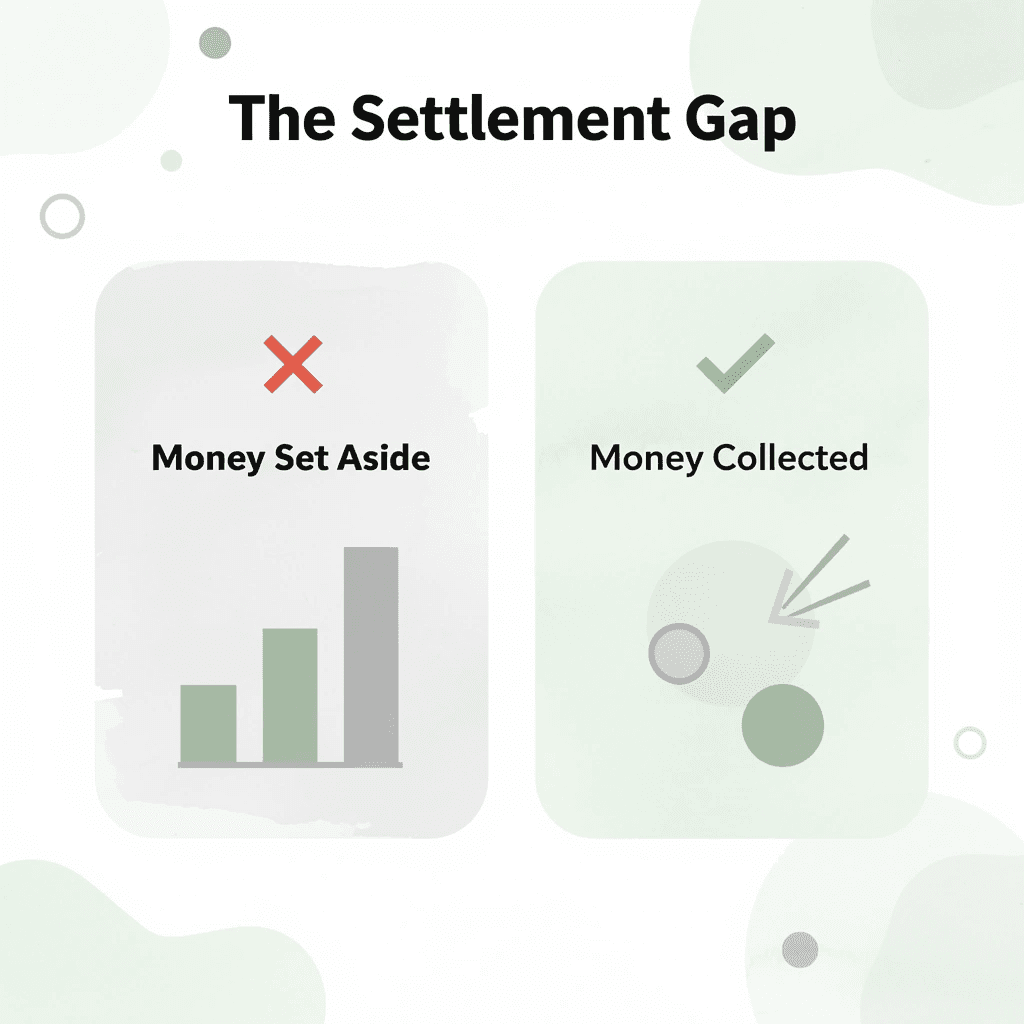
Sparrow solves a specific problem: most people who qualify for class action settlement money never collect it because the filing process is designed for lawyers, not consumers. The gap between “money set aside for you” and “money actually in your pocket” is a logistics problem — and it’s one that far too many eligible claimants pay the price for.
“The gap between money set aside for consumers and money actually collected is a logistics problem — one that Sparrow is built to close.” — Core Product Insight
💡 Tip: If you’ve ever purchased a product or used a service from a company involved in a class action lawsuit, there’s a strong chance you’re already owed money — you just haven’t claimed it yet.
⚠️ Warning: The filing process for most class action settlements is deliberately complex, with strict deadlines, legal jargon, and multi-step forms that cause eligible claimants to give up before they ever see a payout.
| The Problem | Sparrow’s Solution |
|---|---|
| Filing process built for lawyers | Simplified, consumer-first experience |
| Claimants don’t know they qualify | Automatic claim matching |
| Complex forms and legal jargon | Guided, plain-language submission |
| Missed deadlines | Deadline tracking and reminders |
🎯 Key Point: Sparrow exists to close the gap between entitled compensation and actual compensation — turning a broken, lawyer-facing system into one that works for everyday consumers.
Why does the filing process break down at the middle step?
The failure point is usually the middle step. A consumer finds the administrator’s website, stares at a form asking for purchase dates and product lot numbers, and closes the tab. That moment of friction, repeated millions of times across thousands of settlements, is why unclaimed class action funds often go back to defendants or are redistributed to charities rather than reaching the people they were meant for. It is not a willpower problem. It is a design problem.
How does the Isotonix lawsuit claim window close before most people act?
Most people bookmark a settlement page and tell themselves they’ll get to it later. Later rarely comes. The claim window closes, the bookmark sits untouched, and the money disappears. Sparrow solves this by filling in claim forms with your information, printing them, and mailing them with postage already paid, eliminating the step where most people stop.
What actually gets detected
According to the App Store listing for Sparrow AI Refund Helper, the platform identifies five types of refunds: class-action payouts, unclaimed money, price-match refunds, airline compensation, and subscription overcharges. A single membership helps you find opportunities across your whole financial life, not isolated to one lawsuit. Someone who bought Isotonix products and has airline miles from a canceled flight can use the same platform for both.
How does the Isotonix lawsuit process become something you actually finish?
Another barrier is time. Filing a claim feels like a project, and projects get postponed. The App Store listing for Sparrow AI Refund Helper describes the process in three steps: link, detect, and claim in seconds. When something takes seconds instead of an hour, it stops competing with everything else on your to-do list and becomes something you finish. The average Sparrow user recovers over $345 per year, demonstrating that speed and simplicity convert eligible claims into real payouts.
What removes the last rational objection to filing a claim?
The economics are straightforward: $84 per year for a service that guarantees to recover more than its own cost or refund the difference. That structure removes the last rational objection. And the surprising part is how much money sits waiting in cases you’ve never heard of.
Start Finding Money You May Be Owed with Sparrow
Keeping track of class action settlements and filing before deadlines is tedious—most people skip it not because they don’t care, but because the process wasn’t designed for them. Sparrow fills that gap: our platform shows you settlements you qualify for, fills in your claim forms for you, and tracks filings after you submit them, so the money that’s already waiting for you reaches you.
“The process wasn’t made for most people — Sparrow exists to change that, turning overlooked settlements into money that actually reaches the people who deserve it.”
💡 Tip: You don’t need to read court documents or hunt down administrator websites — Sparrow handles all of it for you, from discovery to submission.
🎯 Key Point: Class action settlements go unclaimed every year because the filing process is too complicated and time-consuming for the average person.
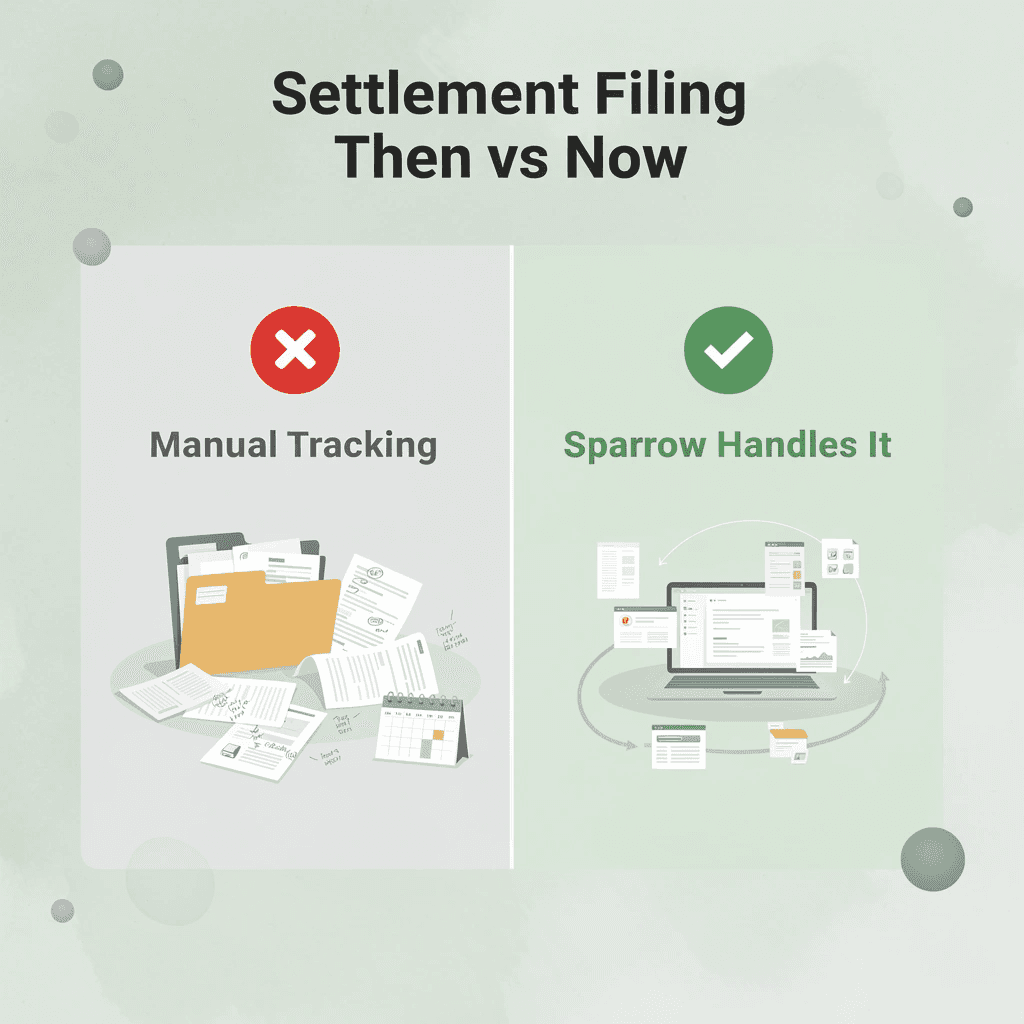
Making an account costs nothing. You can check if you qualify for active settlements without reading court documents or visiting administrator websites. The only thing that matters is whether you file on time.
| What You’d Do Without Sparrow | What Sparrow Does For You |
|---|---|
| Hunt down settlement websites manually | Automatically shows you qualifying settlements |
| Read dense court documents | Summarizes what you need to know |
| Fill out claim forms yourself | Pre-fills your claim forms |
| Remember filing deadlines | Tracks and alerts you to deadlines |
| Wonder if your claim was received | Monitors filings after submission |
✅ Best Practice: Sign up for free and let Sparrow scan for active settlements you already qualify for — the sooner you check, the less likely you are to miss a deadline.
⚠️ Warning: Missing a filing deadline means permanently losing your share of a settlement — even if you were clearly eligible. Don’t let that happen.
Related Reading
- Fortnite Lawsuit
- Is Settlemate Legit
- Settlemate
- Celsius Lawsuit
- Rocket Money
- At&t Lawsuit
- Claim App
- Is Claimmoney.com Legit
- Catch
- Poppi Lawsuit
- Truebill

Leave a Reply