

Millions of Amazon Prime subscribers found themselves trapped in a subscription they never fully agreed to or struggled to cancel. The Federal Trade Commission sued Amazon over these practices, alleging the company used deceptive enrollment tactics and deliberately complicated the cancellation process. That lawsuit resulted in a significant settlement, and eligible members across the United States may now be owed compensation.
Knowing what a class action lawsuit is helps consumers recognize when they have legal standing to recover money from corporate misconduct. Rather than sorting through eligibility rules and claim deadlines alone, consumers can use Sparrow to join class action lawsuits like this one and get their claims submitted quickly and accurately.
Table of Contents
- What Is the Amazon Prime FTC Settlement Lawsuit About?
- Who Is Eligible for the Amazon Prime FTC Settlement?
- What Benefits or Compensation Could Eligible Consumers Receive?
- How to Check Your Eligibility and File a Claim
- Tips for Avoiding Missed Settlement Payments
- How Sparrow Makes Settlement Claims Easier
- Start Finding Money You May Be Owed with Sparrow
Summary
- Class action settlements involving subscription services have become increasingly common as regulators scrutinize how companies design enrollment and cancellation flows. The FTC’s case against Amazon centered on a specific legal claim: that the company violated the Restore Online Shoppers’ Confidence Act by using interface patterns that enrolled users without genuine consent and made cancellation deliberately difficult. The internal name Amazon employees gave the cancellation flow, “the Iliad,” reflected how intentional that friction was.
- The scale of the Amazon Prime FTC settlement is significant. The case resulted in a $25 million consumer fund, and over 37 million refund checks have been distributed to eligible individuals. That reach reflects how broadly the challenged enrollment and cancellation designs affected the Prime subscriber base, cutting across users regardless of their technical familiarity or attention to billing details.
- Eligibility for the settlement is more specific than simply having paid for Prime. Qualifying consumers must have enrolled between January 2018 and March 2023, through one of the challenged sign-up flows, and must not have used more than a handful of Prime benefits in any 12-month period after enrollment. Former members who canceled years ago are not automatically disqualified. Eligibility is anchored to what occurred during the covered period, not to current membership status.
- Compensation is tied directly to fees paid during the covered window, with refunds reaching up to $51 per qualifying consumer. Amazon issued automatic payments to low-usage members in late 2025, while others must submit a claim form and select a payment method; approved claims were paid out in late 2026. The $1 billion civil penalty assessed against Amazon sits entirely separate from the consumer refund pool, meaning enforcement costs did not reduce the money available to claimants.
- Beyond the financial settlement, the FTC required Amazon to make permanent changes to its enrollment and cancellation interfaces. These include placing a clear decline option on sign-up screens, disclosing pricing and cancellation terms before collecting payment information, and making cancellation as simple as the original enrollment. These requirements apply to all future Prime sign-up flows, not just those active during the covered period.
- Unclaimed settlement funds do not remain available indefinitely. When eligible consumers miss filing deadlines, that money is typically redistributed or returned to the defendant rather than held for late claimants. The average Sparrow user claims over $345 per year across active settlements, which reframes the cost of inaction from an inconvenience into a measurable financial loss.
- Sparrow addresses the gap between knowing a settlement exists and actually collecting on it by scanning active class action cases, matching users to qualifying criteria based on their profile, and handling the filing process before deadlines close.
What Is the Amazon Prime FTC Settlement Lawsuit About?
The Amazon Prime FTC settlement lawsuit is about a simple accusation: Amazon purposely designed its systems to sign people up for paid subscriptions without real consent, then created a cancellation process so convoluted that leaving felt nearly impossible. The Federal Trade Commission found this was planned obstruction, breaking the Restore Online Shoppers’ Confidence Act.
“Amazon purposely designed its systems to sign people up for paid subscriptions without real consent — and made leaving nearly impossible.” — FTC Complaint
💡 Key Definition: The Amazon Prime FTC settlement lawsuit centers on two core violations: unauthorized enrollment into paid subscriptions and a deliberately obstructive cancellation process — both ruled as intentional design decisions, not accidents.
⚠️ Warning: This wasn’t a case of accidental dark patterns. The FTC determined that Amazon’s friction-heavy design was planned obstruction — a critical distinction that shaped the entire legal outcome.
| Accusation | Legal Violation |
|---|---|
| Unauthorized subscription enrollment | Lack of real consumer consent |
| Convoluted cancellation process | Deliberate obstruction of opt-out rights |
| Planned system design | Breach of the Restore Online Shoppers’ Confidence Act |
[IMAGE:

Why did Amazon’s checkout design amount to a trap?
Dark patterns work because they don’t look like traps. A checkout page that hides the “decline” option in gray text while highlighting “Get free shipping with Prime” in bold is not an accident: it’s a conversion strategy dressed as convenience. Consumers who wanted to complete a purchase found themselves signed up for recurring memberships they never consciously chose, with billing information captured before full costs and auto-renewal terms were clearly shown.
What did Amazon’s own teams reveal about the Amazon Prime FTC Settlement Lawsuit cancellation flow?
Amazon’s own internal teams called the cancellation flow “the Iliad,” referencing the ancient epic known for its length and difficulty. That label reveals the design’s intent: when a company’s internal name for a customer process mirrors an exhausting ordeal, the friction is not a mistake but the product.
What does the Amazon Prime FTC settlement lawsuit actually represent?
According to the FTC’s Amazon Refunds page, the settlement includes a $25 million payout to affected consumers, with over 37 million refund checks sent to eligible individuals. These figures demonstrate how the enrollment and cancellation design affected Prime subscribers across all technical skill levels.
Why do so many eligible consumers miss out on settlement money?
Most affected consumers notice the charge, feel frustrated, and move on. Settlement money goes unclaimed not because people don’t qualify, but because filing a claim requires substantial research and effort. Platforms like Sparrow close that gap by matching consumers to active settlements and handling the filing process, reducing hours of work to minutes.
Why This Case Sets a Broader Standard
The FTC’s action against Amazon signals a broader shift: regulators now treat manipulative interface design as a legal violation, not a questionable business practice. Auto-payments switched on by default, buried opt-outs, and multi-step cancellation flows are standard across streaming services, software trials, and retail memberships. Millions absorb these charges without realizing they have legal standing to push back.
Knowing the settlement exists is only the first step; figuring out whether you qualify is where most people give up.
Who Is Eligible for the Amazon Prime FTC Settlement?
To be eligible, three things need to happen at the same time: how you signed up, what happened when you tried to cancel, and how much of the service you actually used. Just paying for Prime is not enough to qualify you.
“Eligibility hinges on three simultaneous factors — signup method, cancellation experience, and usage level — not simply having paid for the service.” — FTC Settlement Criteria
🎯 Key Point: Meeting only one or two of the eligibility conditions is not sufficient — all three criteria must be satisfied at the same time to qualify for a claim.
⚠️ Warning: Many consumers assume that simply paying for Amazon Prime automatically qualifies them for the settlement — this is a critical misconception that could cause you to miss your claim deadline.
| Eligibility Factor | What It Means |
|---|---|
| How you signed up | Whether enrollment was unclear or potentially unauthorized |
| Cancellation experience | Whether you faced obstacles or difficulty when trying to cancel |
| Service usage level | How much of Prime’s features you actually used during the period |
[IMAGE:

What enrollment and cancellation dates define the Amazon Prime FTC Settlement Lawsuit claim?
According to the Federal Trade Commission, people who signed up for Amazon Prime between January 2018 and March 2023 may be eligible for a refund. You have until June 23, 2025 to claim your refund through this settlement. This period covers the time when Amazon used the sign-up and cancellation processes that were being challenged. If you signed up for Amazon Prime outside these dates, this settlement does not apply to you.
Does the method you used to sign up affect your eligibility?
How you sign up matters as much as when you sign up. Amazon examines its account records to determine if your sign-up occurred through a challenged flow—you need not provide old screenshots. The settlement covers people who saw a Prime charge on their bill and don’t remember signing up, not those who intentionally subscribed and used Prime services extensively.
The usage threshold most people overlook
The benefit usage requirement disqualifies many otherwise eligible consumers. If you used more than a handful of Prime benefits during any 12-month period after enrollment, including free shipping, Prime Video, or Prime Music, your claim may not hold. The settlement compensates people who paid for something they didn’t want and barely used, not those who got full value from a subscription they later canceled.
Where does the Amazon Prime FTC Settlement Lawsuit leave canceled members?
Former Prime members often think their canceled membership disqualifies them. It doesn’t. Whether you can join depends on what happened during the covered period, not your current Prime status. If you canceled years ago because you had trouble stopping the subscription, that experience is exactly what the FTC’s case addressed.
How can you find and file an Amazon Prime FTC Settlement Lawsuit claim without parsing legal language?
Most people learn about settlements weeks after the filing deadline or set aside refund notices because the process looks complicated. Platforms like Sparrow fill this gap by matching users to active settlements based on their profile and walking them through claims in minutes rather than leaving them to parse FTC legal language.
Knowing whether you qualify is only part of the equation; what you stand to receive might surprise you.
Related Reading
- What Is A Class Action Lawsuit
- What Is A Class Action Settlement
- How Do Class Action Settlements Work
- How To Find Unclaimed Money
- Are Class Action Settlements Taxable
- Doge Transparency FOIA Lawsuit
- Google Android Cellular Data Lawsuit
- Pima County Sheriff Lawsuit
- Ozempic Lawsuit
- General Motors V8 Engine Lawsuit
What Benefits or Compensation Could Eligible Consumers Receive?
Qualifying consumers receive a refund equal to the actual Prime membership fees they paid during the covered period, up to $51.
“Eligible claimants can receive a full refund of their Prime membership fees paid during the covered period — up to $51 per consumer.” — Settlement Terms
🎯 Key Point: The maximum refund amount is $51, calculated based on the exact Prime membership fees you paid — meaning every dollar counts toward your claim.
💡 Tip: Even if you paid less than $51 in Prime membership fees during the covered period, you are still eligible to receive a full refund of whatever amount you paid — don’t leave money on the table.
| Compensation Detail | What You Need to Know |
|---|---|
| Refund Type | Actual Prime membership fees paid |
| Maximum Amount | Up to $51 |
| Basis of Payment | Fees paid during the covered period |
| Eligibility Requirement | Must be a qualifying consumer |
[IMAGE:

What the $51 cap actually represents
The cap matters less than it first appears. Most qualifying members paid either $12.99 or $14.99 per month, so the refund often covers three to four months of fees they never consciously agreed to pay. For consumers who were automatically signed up during checkout and never used a Prime benefit, recovery is nearly complete. The FTC’s $1 billion civil penalty sits entirely separate from this consumer fund, so the refund pool was never reduced by enforcement costs.
Why did Amazon pay some members automatically while others must file a claim?
Amazon sent automatic payments in November and December 2025 to customers who used three or fewer Prime benefits in any 12-month period after signing up. All other qualifying customers receive a claim notice by mail or email, then submit a form and select payment by check, PayPal, or Venmo. Approved claims will be paid in late 2026. This distinction exists because usage data resides within Amazon’s systems: low-usage members could be identified automatically, while higher-usage members qualifying based on enrollment or cancellation must confirm their experience through the claims process.
How can the Amazon Prime FTC Settlement Lawsuit still pay you if nothing arrived automatically?
Most people assume they were never eligible when money doesn’t appear automatically. Platforms like Sparrow monitor active settlements, match users to qualifying criteria based on their profile, and guide them through filing in minutes, closing the gap between “I probably qualify” and “I got paid.”
The structural fixes that outlast the refund
The money recovery matters, but the permanent interface changes may have greater long-term value for the 200 million-plus Prime members who never qualified for a refund. Amazon must now place a clear “decline” button on enrollment screens, disclose the price, charge frequency, and cancellation method before collecting payment information, and make cancellation as simple as signup. These requirements apply to every future enrollment flow Amazon designs. The FTC intentionally structured the order this way: a one-time payment without behavioral change would have been a cost of doing business, not accountability.
Why does the Amazon Prime FTC Settlement Lawsuit matter beyond the refund check?
Knowing that a settlement exists and knowing how to act on it are two different problems, and most eligible people get stuck on the second.
Related Reading
- Costco Sonoma County Lawsuit
- Apple Class Action Lawsuit
- At&t Class Action Lawsuit
- Temu Lawsuit
- Hexclad Lawsuit
- Nightfall Group Lawsuit
- Capital One Class Action Lawsuit
- Life360 Lawsuit
- Dapper Development Lawsuit
- Amazon Fire TV Stick Lawsuit
- Minnesota Ice Lawsuit
- Isotonix Lawsuit
How to Check Your Eligibility and File a Claim
If you were signed up for Amazon Prime without your clear permission — or had trouble canceling it — you might be able to get a refund. Amazon looks at your account records to check if you meet most of the requirements.
“Consumers who were enrolled without clear consent or faced cancellation barriers may be entitled to compensation — Amazon reviews account history to determine eligibility.” — Consumer Rights Guidance
💡 Tip: Act quickly — the sooner you check your account records, the stronger your eligibility case will be.
⚠️ Warning: Do not assume you’re ineligible just because you used Amazon Prime — unauthorized enrollment and cancellation difficulties are both valid grounds for a refund claim.
| Eligibility Trigger | What It Means for You |
|---|---|
| Enrolled without permission | You may qualify for a full or partial refund |
| Trouble canceling | Counts as a valid claim basis under consumer protection rules |
| Account records reviewed | Amazon uses your account history to verify your claim |
[IMAGE:

Confirm Whether You Already Received an Automatic Payment
Amazon sent automatic refunds in November and December 2025 to customers who met the low-benefit threshold. Check your bank statements, PayPal, Venmo, or email from that period for a payment labeled as a settlement refund. If you received and cashed that payment, no further action is needed. Those who didn’t receive an automatic refund but meet the criteria can proceed with the claims process.
Review the Three Eligibility Requirements
You may apply for a refund if you meet all three conditions: you are a United States Amazon Prime customer; you signed up through a challenged enrollment flow or tried to cancel online but could not complete the process between June 23, 2019, and June 23, 2025; and you used no more than three Amazon Prime benefits (including free Prime Video or Amazon Music) in any 12-month period after enrollment. Amazon analyzes its own records to determine whether a challenged enrollment flow applied, so you need not prove the exact page sequence yourself.
Locate Your Claim Notice
Starting in January 2026, Amazon sent claim notices by email or mail to eligible customers who didn’t receive automatic refunds. Each notice includes a Claim ID and PIN with filing instructions. Check your email inbox (including spam and promotions folders) and physical mail for letters from the settlement administrator.
File Through the Official Settlement Website
Go to SubscriptionMembershipSettlement.com and use the Claim ID and PIN from your notice to access the form. If you lack those, file using your name, current address, and relevant Amazon account details. Confirm whether you were unintentionally enrolled or unable to cancel during the relevant window. Submit the completed form through the site.
Select Your Preferred Payment Method
On the claim form, select your preferred payment method: paper check, PayPal, or Venmo. Approved claims will be paid in late 2026.
Get Help and Avoid Scams
Email the settlement administrator at admin@SubscriptionMembershipSettlement.com if you have problems with the form or need help understanding it. The FTC never asks for payment, personal information, or fees to process refunds. Ignore unsolicited text messages, phone calls, or websites that demand money or promise faster refund processing. Use only the official settlement website and the FTC’s Amazon refunds page.
Stay Current With Official Updates
Bookmark the FTC’s Amazon Refunds page and the settlement administrator site for reliable status information on notices, processing timelines, and remaining steps. Sign up for FTC email updates to receive notices if the schedule changes.
Tips for Avoiding Missed Settlement Payments
Missing a settlement payment usually happens because of missed deadlines, old contact information, or not knowing you qualify. Taking action ahead of time helps you stay informed and avoid losing money that belongs to you.
“The most common reasons claimants miss settlement payments are outdated contact details, expired deadlines, and a simple lack of awareness that they qualify at all.”
💡 Tip: Always update your contact information with the settlement administrator as soon as your details change — even a small address error can mean a missed payment.
⚠️ Warning: Deadlines are non-negotiable. Once a claims filing window closes, you cannot go back and recover funds that were left unclaimed.
| Common Cause | How to Avoid It |
|---|---|
| Missed deadlines | Set calendar reminders for all key filing dates |
| Outdated contact info | Regularly update your address and email with administrators |
| Not knowing you qualify | Monitor class action databases and check your mail carefully |
✅ Best Practice: Proactive monitoring is the single most effective strategy for ensuring you never miss a settlement payment you’re entitled to.
[IMAGE:

Set Up Reliable Deadline Tracking Systems
Create a dedicated digital folder or spreadsheet for all potential settlements, noting key dates such as claim deadlines, fairness hearings, and payment distribution windows. Update entries when you find new information and set calendar reminders two weeks before deadlines, plus follow-up alerts. This prevents notices from getting lost in daily emails and mail, ensuring you take action on time even months after becoming eligible.
Maintain Comprehensive Purchase Records
Keep digital scans or photos of receipts, order confirmations, and credit card statements in a centralized, searchable location organized by product category. Include purchase dates, amounts, and seller details: administrators need this verification for claims. Regular reviews of bank statements catch overlooked transactions and turn potential misses into successful filings.
Monitor Multiple Communication Channels
Check your physical mailbox, email spam folders, and online accounts weekly for administrator notices. Sign up for alerts from consumer rights organizations or reliable platforms when available. Notifications arrive through different channels and can get lost in routine mail, causing valid claims to expire unnoticed.
Leverage Specialized Tools Like Sparrow for Streamlined Management
Sparrow scans new lawsuits and identifies class action cases users likely qualify for based on their profile. The service completes forms in advance, handles printing and mailing with postage included, and guarantees your money back if you don’t recover at least the cost of your subscription.
Review and Follow Up on Submitted Claims Regularly
After filing, record confirmation numbers and check status websites or contact administrators every 30 days during distribution phases. Respond promptly to requests for additional information to avoid processing delays. This follow-through ensures approved claims convert to actual payments, as pro-rata distributions depend on validated submissions reaching completion without administrative holds.
How Sparrow Makes Settlement Claims Easier
Knowing you qualify for a settlement refund and actually collecting it are separated by a wall of friction. Claim windows close quietly. Official administrator sites bury eligibility criteria in dense legal language. Forms ask for the same information six different ways. Most refunds disappear in this gap between entitlement and collection — not because claimants don’t deserve them, but because the process is designed to exhaust you.
“Most refunds disappear in the gap between entitlement and collection — not because claimants don’t qualify, but because the friction is too high to push through.” — Core Problem, Settlement Claims
💡 Tip: Sparrow eliminates this friction by tracking claim windows, decoding eligibility criteria, and pre-filling forms — so you never lose a refund to a missed deadline or confusing paperwork.
⚠️ Warning: Claim windows close without notice, and official administrator sites rarely send reminders. If you’re waiting to feel “ready” to file, the deadline may already be gone.
| The Problem | What Sparrow Does |
|---|---|
| Claim windows close quietly | Tracks deadlines automatically |
| Eligibility buried in legal language | Translates criteria into plain English |
| Forms repeat the same info 6 times | Pre-fills your information instantly |
| Refunds lost to friction and confusion | Guides you to successful collection |
🎯 Key Point: The real barrier to settlement refunds isn’t eligibility — it’s friction. Sparrow is built specifically to tear that wall down.
[IMAGE:
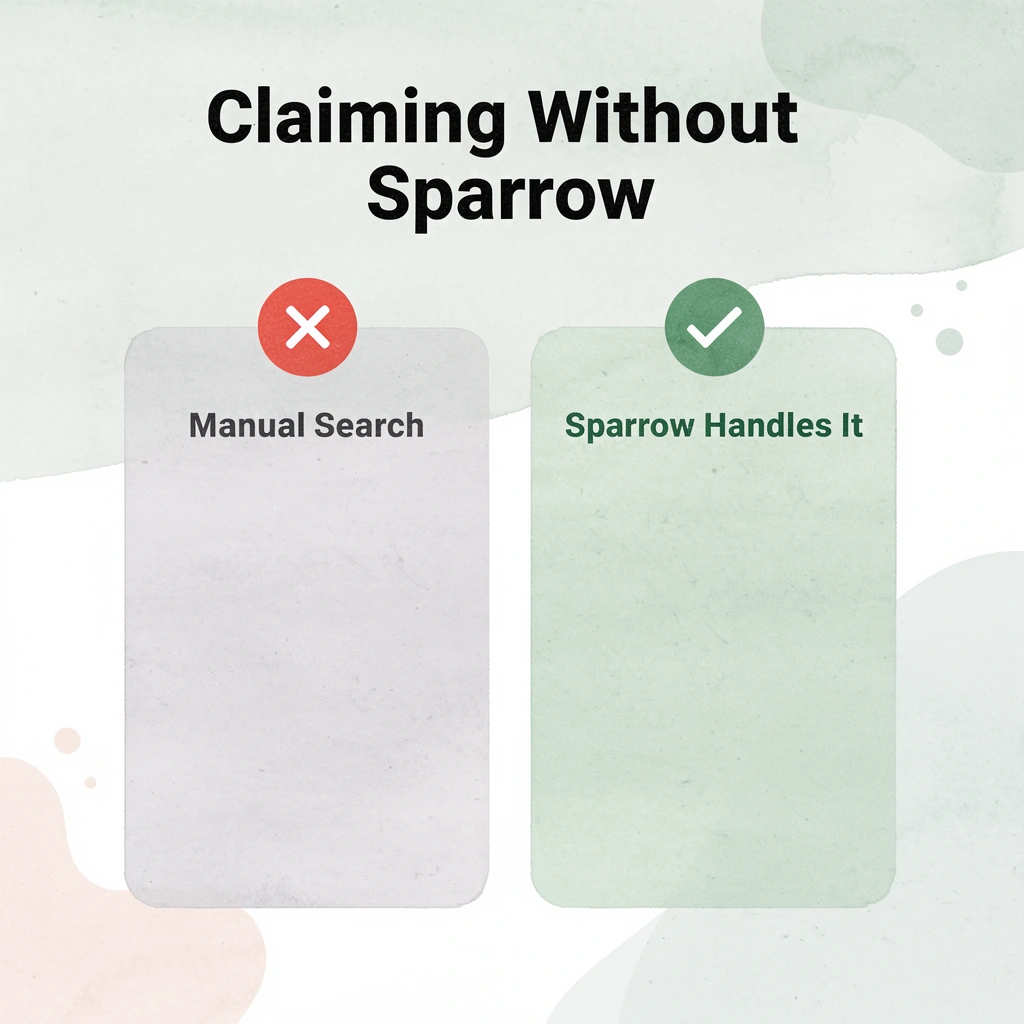
Why does the old approach fail at the first step?
The familiar approach is to wait until you hear about a settlement through news coverage or a forwarded email, then visit the official claims site and navigate it yourself. You spend twenty minutes confirming you qualify, another fifteen re-entering personal details, and then close the tab because the deadline feels distant. Weeks later, the deadline has passed. The money stays unclaimed not because you were careless, but because the process lacked momentum.
How does pre-screening help with the Amazon Prime FTC Settlement Lawsuit?
Sparrow addresses this at the source. Our platform continuously scans active class action settlements across the United States and matches them to your profile, surfacing relevant cases before deadlines close. Eligibility is pre-evaluated against your details, so you see clear matches rather than scrolling through dense legal criteria. For cases like the Amazon Prime FTC matter, where enrollment window dates and benefit-use thresholds determine qualification, this pre-screening removes the most common point of abandonment.
What changes when the form is already filled
Pre-filled claim forms remove obstacles that cause people to quit. Most people abandon digital forms because repeatedly typing their name, address, and account details prompts them to defer the task indefinitely. Sparrow shortens the process to a few minutes of review and confirmation. For settlements that require physical forms, our platform prints and posts them, turning a multi-day task into one that requires no action from you.
What does the average user actually recover through Sparrow?
According to the Sparrow Blog, the average Sparrow user receives over $345 per year from settlements. The platform offers a money-back guarantee: if your total recovery doesn’t exceed your membership cost, Sparrow refunds the difference. This eliminates the financial risk that prevents most people from starting.
How does the Amazon Prime FTC Settlement Lawsuit connect to other refunds you may not know about?
The App Store listing for Sparrow AI Refund Helper says the platform automatically identifies five types of refunds: class-action payouts, unclaimed money, price-match refunds, airline compensation, and subscription overcharges. A consumer who qualifies for the Amazon Prime FTC settlement likely qualifies for others they’ve never heard of. A single scan reveals all of them instead of requiring separate searches for each.
Money set aside for eligible consumers gets redistributed or returned to the defendant when deadlines pass, an outcome most people never discover until it’s too late.
Related Reading
- At&t Lawsuit
- Is Claimmoney.com Legit
- Celsius Lawsuit
- Fortnite Lawsuit
- Is Settlemate Legit
- Truebill
- Settlemate
- Rocket Money
- Poppi Lawsuit
- Catch
- Claim App
Start Finding Money you may be Owed with Sparrow
The deadline on the Amazon Prime FTC settlement will not wait, and neither will the dozens of other active settlements that match profiles like yours. Most eligible consumers never collect because the process feels designed to outlast their patience, not because they lack a valid claim.
“Most eligible consumers never collect — not because they lack a valid claim, but because the process is designed to outlast their patience.” — Sparrow
💡 Tip: If you’ve purchased an Amazon Prime subscription, you may qualify for a payout, but only if you file before the deadline closes.
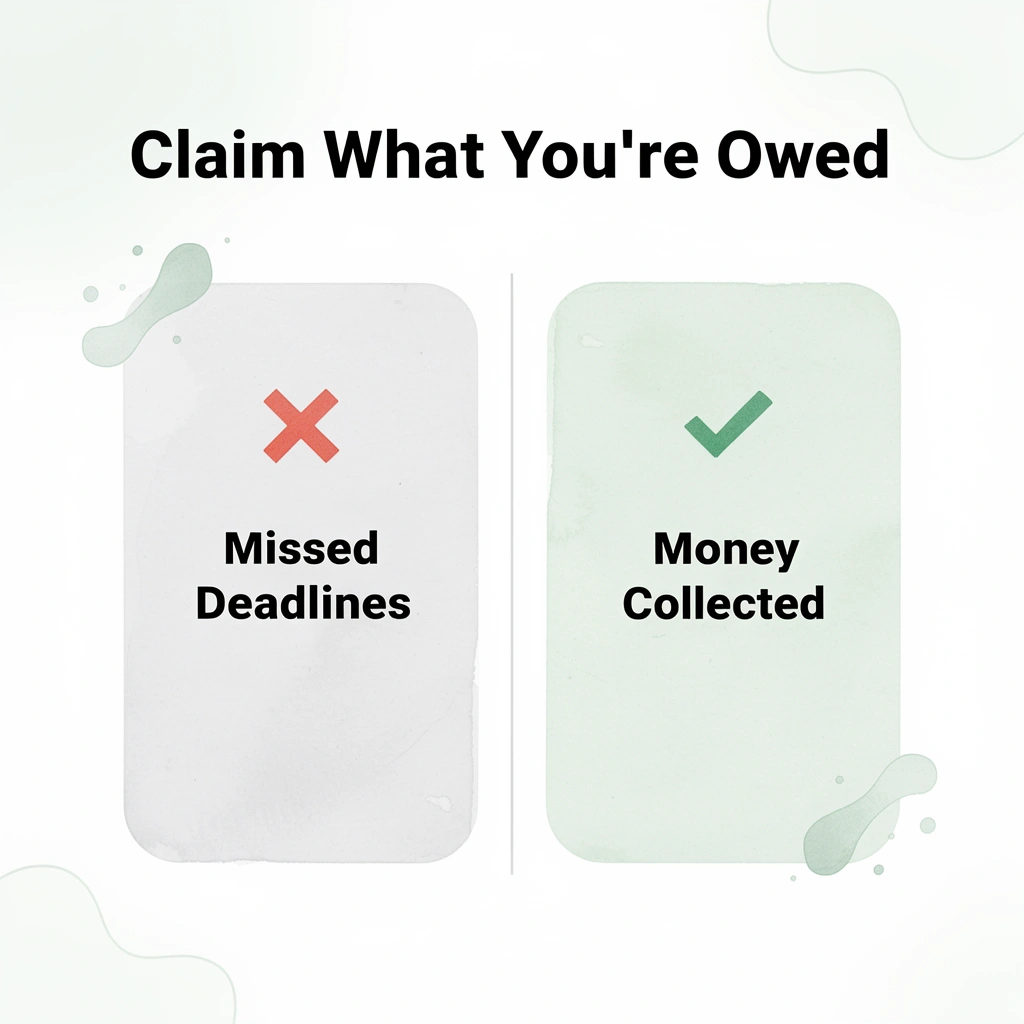
Sparrow removes that barrier by consolidating settlement tracking on a single platform. Instead of monitoring filing windows across separate websites, you check once, file once, and let our platform handle the paperwork that typically causes people to abandon claims halfway through.
| The Old Way | With Sparrow |
|---|---|
| Monitor multiple websites manually | One centralized dashboard |
| Track separate filing deadlines | Automatic deadline alerts |
| Navigate complex paperwork alone | Guided, streamlined filing |
| Risk missing your window | File on time, every time |
⚠️ Warning: Filing windows are strictly enforced — unclaimed funds are redistributed once a deadline passes, and there are no extensions for missed claims.
Create your Sparrow account, scan your active settlements, and file before the window closes. The money is already set aside: the only question is whether it reaches you or gets redistributed elsewhere.
🎯 Key Point: You don’t need to find the money—it’s already waiting. Sparrow’s job is to ensure it finds you before the deadline makes that impossible.
✅ Best Practice: Set up your Sparrow account today and run your first settlement scan. The entire process takes minutes, and the payout could be significant.
[IMAGE:


Leave a Reply