


The Nightfall Group lawsuit has left many affected individuals uncertain about their eligibility, potential compensation, and next steps. Data breaches and financial disputes carry real consequences, and understanding what a class action lawsuit means in this context is the first step toward knowing where you stand.
Sparrow simplifies the process for everyday people who want to take action without wading through legal complexity or paperwork. If compensation may be owed to you in the Nightfall Group case, the clearest path forward is to join class action lawsuits.
Table of Contents
- What Is the Nightfall Group Lawsuit About?
- Who Is Involved in the Nightfall Group Lawsuit?
- What Is the Current Status of the Nightfall Group Lawsuit?
- How to Know If You’re Eligible to File a Claim
- Tips for Avoiding Missed Settlement Payments
- How Sparrow Helps You Track Lawsuit Settlements and Unclaimed Money
- Start Finding Money You May Be Owed with Sparrow
Summary
- Illegal short-term rental operations can generate civil penalties that reach well into the hundreds of thousands of dollars. The three property-owner defendants in the Nightfall Group case settled for a combined $280,000, with one individual paying $215,000 alone. Those figures reflect degrees of involvement, but they also show how quickly financial liability accumulates when residential properties are converted into unlicensed event venues at scale.
- Owning a property does not automatically shield a landlord from legal consequences tied to how a tenant uses it. When a building owner leases to an operator who then runs an illegal short-term rental business, that owner becomes part of the legal chain. The Nightfall Group case made this explicit by naming affiliated property owners alongside the primary operator, which is a pattern civil enforcement cases increasingly follow.
- Partial settlements do not end a lawsuit. The agreements reached with three property-owner defendants in September 2025 resolved only the landlord-side liability, while the core case against Ultimate Host, LLC and Mokhtar Jabli remained active in Los Angeles Superior Court. That distinction matters because the operator most responsible for scaling the alleged scheme had not yet faced a final judgment or binding compliance order.
- The documented neighborhood impact of the Nightfall Group operation was substantial. The Los Angeles Police Department responded to Nightfall-associated properties more than 250 times in the Hollywood area over a two-year period, with one officer logging 95 calls for service across just six addresses. That volume reflects a sustained operational pattern rather than isolated incidents, which is part of why the City Attorney pursued injunctions alongside financial penalties.
- Most people who qualify for a class action payout never collect it. The barrier is rarely eligibility. It is the friction created by spam-filtered notices, confusing claim forms, and filing deadlines that pass without reminders. Once a claims window closes, unclaimed funds typically revert to cy-pres recipients or state programs rather than returning to the individuals who were actually affected.
- Enforcement actions in cases like this one are designed to produce financial consequences that flow back to affected communities and individuals, but collecting that money requires awareness and timely action that most people lack a reliable system to support. Sparrow addresses this by scanning active class action settlements weekly, pre-filling claim forms using your profile details, and handling submissions so the process does not stall at the paperwork stage.
What Is the Nightfall Group Lawsuit About?
The Nightfall Group lawsuit is a civil enforcement action filed by the Los Angeles City Attorney’s Office against a luxury short-term rental company that allegedly turned residential neighborhoods into places where events happened over and over again, breaking city rules that were made to protect housing availability and public safety.
“The Nightfall Group lawsuit represents a civil enforcement action targeting a luxury short-term rental operator accused of systematically violating residential zoning rules designed to protect housing availability and public safety.” — Los Angeles City Attorney’s Office
🎯 Key Point: This is not a minor zoning dispute — it’s a formal civil enforcement action brought by a city government, signaling how seriously officials are treating short-term rental violations in residential communities.
⚠️ Warning: Many people confuse civil enforcement actions with criminal charges. This lawsuit is civil in nature, meaning it targets financial penalties and compliance, not imprisonment.
| Element | Details |
|---|---|
| Case Type | Civil Enforcement Action |
| Filed By | Los Angeles City Attorney’s Office |
| Defendant | Nightfall Group (luxury short-term rental company) |
| Core Allegation | Repeated illegal events in residential neighborhoods |
| Purpose of Rules Broken | Protect housing availability and public safety |

What did the Nightfall Group lawsuit actually allege against the company?
The complaint, filed August 15, 2023, under case number 23STCV19069, names Ultimate Host, LLC (operating as The Nightfall Group), its owner, Mokhtar Jabli, and three affiliated property owners. Nightfall leased residential properties long-term, then rented them short-term for large private events at up to $16,000 per night, circumventing the city’s Short-Term Rental Ordinance, which restricts hosts to renting only their primary residence. The company allegedly controlled hundreds of properties without registering with the city’s Planning Department or displaying required registration numbers on listings.
How did Nightfall Group properties affect surrounding neighborhoods?
The documented neighborhood impact demonstrates the scale of the problem. The Los Angeles Police Department responded to Nightfall-associated properties more than 250 times in the Hollywood area during the two years before the lawsuit. One officer reviewing six addresses linked to Nightfall logged 95 calls for service over three years, including assault with a deadly weapon and repeated reports of music loud enough to shake building foundations.
What the 2025 settlements actually resolved
Three property-owner defendants settled with the City Attorney’s Office in September 2025. According to Reserved Powers, the combined settlements totaled $280,000 in civil penalties, with Kirill “Kirk” Ayzenberg paying $215,000. Each settlement imposed permanent prohibitions on short-term rental activity outside full compliance with the Home-Sharing Ordinance and required defendants to notify guests in writing that loud or unruly gatherings are prohibited.
Did the Nightfall Group lawsuit also expose unpaid vendor obligations?
The Real Deal reported that Nightfall Group owes more than $116,000 for staging and design services and furniture leases, according to a lawsuit filed by staging firm Vesta Homes. This demonstrates a pattern of unpaid bills to multiple vendors beyond government agencies.
Why are affected people often the last to know about settlements?
Platforms like Sparrow exist because the gap between a filed lawsuit and an individual payout is typically an awareness and paperwork problem, not an eligibility one. When enforcement actions produce settlements, the people most affected by those violations are often the last to know they may have standing to claim.
Once you understand who was named in this lawsuit and why, the full picture of accountability becomes far more complicated than a single company facing noise complaints.
Related Reading
- What Is A Class Action Lawsuit
- What Is A Class Action Settlement
- How Do Class Action Settlements Work
- How To Find Unclaimed Money
- Are Class Action Settlements Taxable
- Doge Transparency FOIA Lawsuit
- Google Android Cellular Data Lawsuit
- Pima County Sheriff Lawsuit
- Ozempic Lawsuit
- General Motors V8 Engine Lawsuit
Who Is Involved in the Nightfall Group Lawsuit?
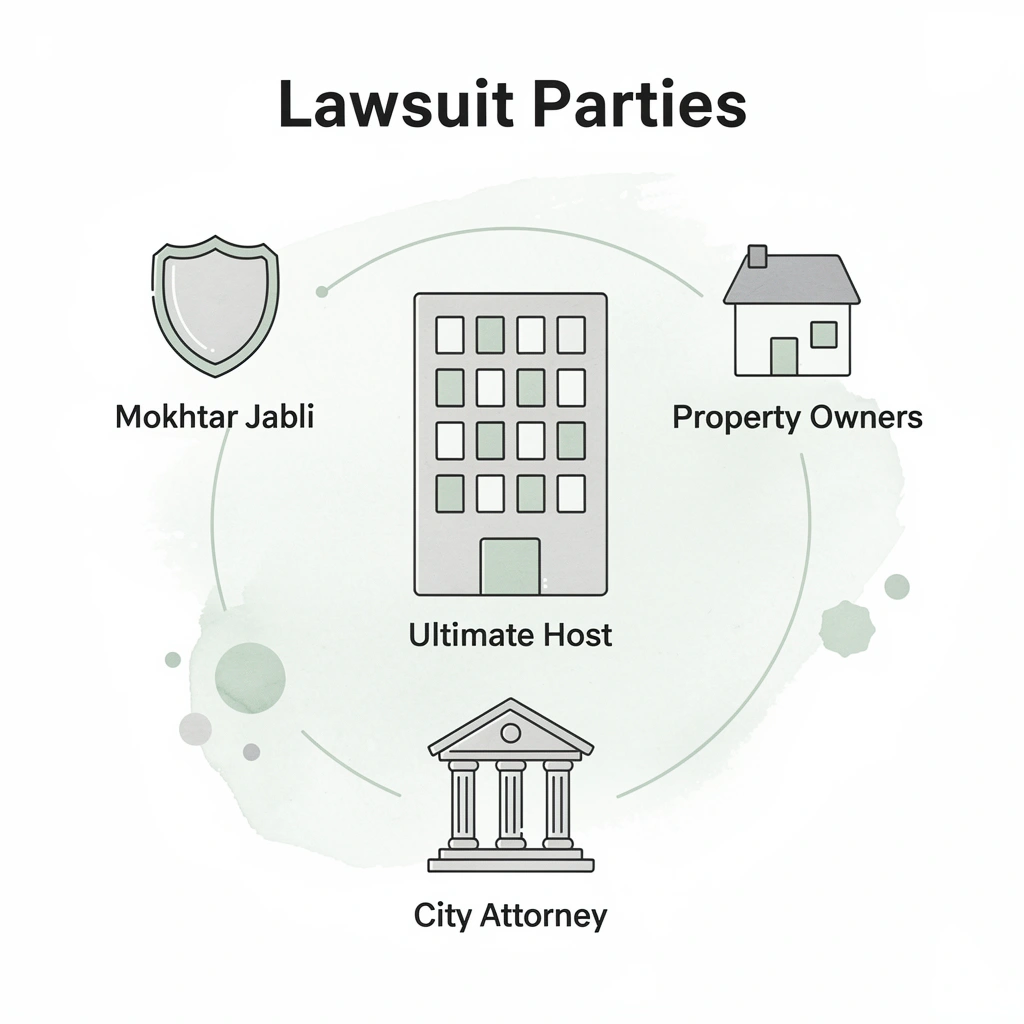
The lawsuit names Ultimate Host, LLC and its operator, Mokhtar Jabli, plus three property owners who leased their homes to Nightfall. These property owners are named as people who allegedly helped create the pattern of violations that the City Attorney found across multiple Hollywood Hills neighborhoods.
“The lawsuit names Ultimate Host, LLC, its operator Mokhtar Jabli, and three property owners as key parties responsible for a pattern of violations spanning multiple Hollywood Hills neighborhoods.” — City Attorney’s Office
| Party Named | Role in Lawsuit |
|---|---|
| Ultimate Host, LLC | Primary operating entity behind Nightfall |
| Mokhtar Jabli | Operator and controlling individual |
| Three Property Owners | Leased homes to Nightfall, enabling violations |
🎯 Key Point: This lawsuit isn’t just targeting one individual — it names multiple parties, including the LLC, its operator, and the property owners who made the operation possible.
⚠️ Warning: Property owners who lease to short-term rental operators can be held directly liable if those operators create a pattern of violations — this case is a critical example of that legal exposure.
Why do property owners matter
The inclusion of Jungle Kerry, Inc., 5554 Green Oak, LLC, and Kirill “Kirk” Ayzenberg (individually and as Trustee of the Gabriel Mark Trust) demonstrates how civil enforcement works: owning the building does not protect you from consequences. When a landlord rents to an operator who converts a residential property into an unlicensed event venue, that landlord becomes part of the legal chain. According to LA City Attorney Hydee Feldstein Soto’s press release, the 2025 settlements returned 10 rent-stabilized units to the City’s housing stock, transforming the case from noise enforcement into one with genuine housing consequences.
What did the Nightfall Group lawsuit settlements actually require?
The three property-owner defendants must comply with binding requirements: they must fully follow the Home-Sharing Ordinance for any future rental activity and inform guests that large, disruptive gatherings are prohibited. According to Reserved Powers, the combined $280,000 in civil penalties was split among Ayzenberg ($215,000), 5554 Green Oak, LLC ($45,000), and Jungle Kerry, Inc. ($20,000). The compliance terms apply equally across all defendants, with greater significance for future behavior than the penalties themselves.
Could guests at Nightfall Group properties have standing in this lawsuit?
Most people who stayed at a Nightfall property during this time period may have the right to participate in this lawsuit without knowing it. Platforms like Sparrow help consumers determine whether an active or settled enforcement action applies to them and handle the claim process without requiring users to dig through court filings.
Who still faces unresolved liability
The settlements with property owners resolved only part of the case. Core litigation against Ultimate Host, LLC and Mokhtar Jabli remains active, meaning the operator at the center of the alleged scheme has not yet reached a resolution with the City.
Why does the Nightfall Group Lawsuit treat the operator differently from property owners?
This distinction matters because property owners helped enable the operation, but they were mostly passive participants compared to the entity that actively marketed, booked, and profited from the illegal short-term rental model. The Belair Association’s documentation of over 250 police calls to Nightfall Group properties points to a sustained, systematic operation that individual landlords could not reasonably claim to have anticipated.
What outcome will the case against Jabli and Ultimate Host, LLC determine?
The case against Jabli and Ultimate Host, LLC will likely determine whether this lawsuit becomes a precedent or a footnote.
What Is the Current Status of the Nightfall Group Lawsuit?
The case against Ultimate Host, LLC and Mokhtar Jabli is still ongoing in Los Angeles Superior Court under case number 23STCV19069. The City Attorney’s Office keeps working to get civil penalties and court orders against the main defendants.
“The City Attorney’s Office continues pursuing civil penalties and court orders against the primary defendants in this active Los Angeles Superior Court case.” — Case No. 23STCV19069
🚨 Case Status: The lawsuit is actively in progress — no final ruling has been issued yet, and legal proceedings continue as of the most recent update.
💡 Key Detail: This case is filed under Los Angeles Superior Court case number 23STCV19069, making it a matter of public court record that can be independently verified.
| Case Detail | Information |
|---|---|
| Court | Los Angeles Superior Court |
| Case Number | 23STCV19069 |
| Defendants | Ultimate Host, LLC & Mokhtar Jabli |
| Pursuing Party | City Attorney’s Office |
| Relief Sought | Civil Penalties & Court Orders |
| Status | Ongoing |

What the partial settlements actually resolved
The three property owner settlements established a financial baseline. According to Reserved Powers, those agreements totaled $280,000 in civil penalties with compliance mandates, but they bind only the affiliated landlords, not the central company or its principal. The core business model of leasing residential properties and converting them into high-priced event venues remains subject to ongoing court proceedings because the entity controlling hundreds of listings has not yet received a final judgment.
Why does the main case still matter for full accountability?
The problem with partial enforcement is about money, not process. When an operator running an illegal operation avoids final court decisions, the financial incentive to book as many guests as possible each night rather than follow the rules remains unchanged. The Real Deal reported 250 complaints responded to by LAPD at Nightfall Group properties, demonstrating a deliberate operational pattern. A final court decision against the main defendants must include registration requirements, property ownership limits, and penalties of up to $2,500 per violation to shift that financial incentive.
What does the Nightfall Group lawsuit mean for compensation claims?
Most people following this lawsuit read the settlement headline and assume the story is finished, missing the gap between partial resolution and full accountability. They may also miss compensation claims tied to ongoing proceedings. Platforms like Sparrow help consumers discover active claims, track case developments, and file without monitoring court dockets or decoding legal filings themselves.
What a complete resolution would actually require
The court would need to issue enforceable orders covering the full scope of Nightfall Group’s operations, not just the properties where settled defendants held leases. Jabli and Ultimate Host, LLC operated across multiple addresses simultaneously, meaning any judgment limited in geographic or operational scope leaves room for the same model to resurface under different property arrangements. Neighborhood associations and the City Attorney have signaled they are watching for exactly that kind of structural evasion.
The case remains unresolved, and affected residents may not know what they are owed.
Related Reading
- Costco Sonoma County Lawsuit
- Apple Class Action Lawsuit
- At&t Class Action Lawsuit
- Temu Lawsuit
- Hexclad Lawsuit
- Gmail Class Action Lawsuit
- Turbotax Lawsuit
- Amazon Prime FTC Settlement Lawsuit
- Isotonix Lawsuit
- Capital One Class Action Lawsuit
- Life360 Lawsuit
- Dapper Development Lawsuit
- Amazon Fire TV Stick Lawsuit
- Minnesota Ice Lawsuit
- Turbotax Lawsuit
How to Know If You’re Eligible to File a Claim
The Nightfall Group lawsuit is a civil enforcement case filed by the City of Los Angeles against The Nightfall Group and related defendants over alleged violations of local short-term rental laws — not a consumer class action. This critical distinction determines whether members of the public have any right to file a claim.
“The difference between a civil enforcement case and a consumer class action is everything — one is pursued by the government, the other gives you the right to file.” — Legal Classification Principle
| Case Type | Who Files | Can the Public Claim? |
|---|---|---|
| Civil Enforcement Case | City / Government | ❌ Generally No |
| Consumer Class Action | Affected Individuals | ✅ Yes |
| The Nightfall Group Lawsuit | City of Los Angeles | ❌ Not a Public Claim Case |
⚠️ Warning: Many people assume that any lawsuit involving a business automatically entitles them to file a claim — this is a common and costly mistake. Because this is a government-led enforcement action, not a class action, individual members of the public do not have a standard right to submit a claim.
💡 Tip: If you believe you were personally harmed by The Nightfall Group’s alleged short-term rental violations, consult a licensed attorney to explore whether any separate legal avenues apply to your specific situation.

The Type of Lawsuit and Its Primary Focus
This civil enforcement action, filed by the Los Angeles City Attorney in August 2023 under case number 23STCV19069, targets violations of the city’s Short-Term Rental Ordinance and Party House Ordinance. The City seeks injunctions and civil penalties paid to the government, not compensation to private individuals. This distinction matters because it shapes what claims residents or former guests might pursue separately. The main goal is to stop the alleged practices and protect the neighborhood’s quality of life.
Who the City Attorney’s Action Primarily Covers
The lawsuit names Ultimate Host, LLC (doing business as The Nightfall Group), owner Mokhtar Jabli, and specific property owners as defendants. It addresses harms to the public, including repeated police responses to noise complaints, traffic congestion, and safety issues in areas like the Hollywood Hills. Neighbors who experienced ongoing disturbances fall within the broader public interest protected by the case, though enforcement does not automatically create a claims process for personal compensation. Review official updates from the City Attorney’s Office to see how the case aligns with your experience.
Situations Where Direct Impact Might Support a Separate Claim
If you lived near a listed property and experienced real problems such as excessive noise preventing sleep, blocked streets during emergencies, or property damage from large gatherings, you may have grounds for a private nuisance or small claims action. Document dates, times, police report numbers if available, and specific effects like lost work productivity or health impacts. For guests who booked through Nightfall and encountered problems such as overbooking, substandard conditions, or cancellation issues, contract or consumer protection claims may apply, depending on the booking terms and evidence such as confirmation emails and payment records.
Key Factors That Strengthen or Limit Eligibility
Strong evidence includes timestamps for incidents, photos or videos of the conditions, witness statements, and official records such as LAPD call logs. Properties linked to the lawsuit, such as those in the Hollywood Hills with documented high call volumes, provide clearer connections. Limitations arise because the city’s settlements with three property owners already impose compliance requirements and penalties paid to the City, without creating a restitution fund for private parties. Statutes of limitations for nuisance or contract claims vary, so reviewing your records promptly prevents missed opportunities. Check addresses against public court documents to determine relevance.
Practical Steps to Evaluate and Pursue Options
Gather all documentation related to your experience, then contact the Los Angeles City Attorney’s Public Rights Branch for guidance on how the ongoing case might connect to your situation. For personal claims, consult a licensed attorney or small-claims advisor to evaluate their viability based on specific facts. Free or low-cost resources through local bar associations or consumer protection offices can clarify next steps. Avoid third-party claims services that promise easy payouts; this enforcement action does not work that way.
Why Accurate Assessment Matters Now
The legal case against Ultimate Host, LLC, and Mokhtar Jabli remains ongoing, so new developments could affect the available remedies. Staying informed through primary sources enables you to act decisively if your circumstances match documented violations. Focus on evidence-based evaluation rather than assumptions about automatic eligibility.
Tips for Avoiding Missed Settlement Payments
Missing a settlement payment usually happens because of missed deadlines, old contact information, or not knowing you qualify. Taking action ahead of time helps you stay informed and reduces the amount of money that goes unclaimed.
“The most common reasons claimants miss settlement payments are preventable — outdated contact details, missed deadlines, and simple lack of awareness about eligibility.” — Settlement Administration Best Practices
💡 Tip: Update your contact information immediately whenever you move or change your email — this single step prevents the majority of missed payments.
⚠️ Warning: Many claimants never receive their funds simply because they didn’t know they qualified — always check your eligibility before a deadline closes.
| Common Cause | Prevention Strategy |
|---|---|
| Missed deadlines | Set calendar reminders for all key dates |
| Outdated contact info | Update your address and email proactively |
| Unaware of eligibility | Regularly check settlement databases and notices |
✅ Best Practice: Taking proactive steps — rather than waiting for notifications — is the most reliable way to ensure no payment goes unclaimed.

Set Up Reliable Deadline Tracking Systems
Create a dedicated digital folder or spreadsheet for all potential settlements, noting key dates such as claim deadlines, fairness hearings, and payment distribution windows. Update entries when you find new information, set calendar reminders two weeks before deadlines, and send follow-up alerts. This prevents notices from getting lost in daily emails and mail, ensuring you take action on time even months after becoming eligible.
Maintain Comprehensive Purchase Records
Keep digital scans or photos of receipts, order confirmations, and credit card statements in one central, searchable location, organized by product category. Include purchase dates, amounts, and seller details; administrators need this verification for claims. Regular reviews of bank statements help you catch missed transactions and turn potential opportunities into successful filings.
Monitor Multiple Communication Channels
Check your physical mailbox, email spam folders, and online accounts weekly for notices from administrators. Sign up for alerts from consumer rights organizations or reliable platforms. Notifications arrive through multiple channels and can get lost in regular mail, causing valid claims to expire unnoticed.
Leverage Specialized Tools Like Sparrow for Streamlined Management
Sparrow scans new lawsuits and identifies class-action lawsuits that don’t require proof, showing users which they likely qualify for based on their profiles. Our service fills out the forms, handles printing and mailing with postage included, and guarantees your money back if you don’t recover at least as much as your Sparrow subscription cost.
Review and Follow Up on Submitted Claims Regularly
After filing, save the confirmation numbers and check the status portals or contact the administrators every 30 days during the distribution phases. Respond promptly to requests for additional information to avoid processing delays. This follow-through ensures approved claims convert to actual payments, as pro-rata distributions depend on validated submissions reaching completion without administrative holds.
How Sparrow Helps You Track Lawsuit Settlements and Unclaimed Money
Settlements are part of a larger system of consumer protection actions, civil penalties, and unclaimed funds processed through courts and state agencies weekly. Most of these funds never reach the people who are entitled to a share.
“The majority of settlement funds and unclaimed money go uncollected — not because people aren’t eligible, but because they simply never find out they’re owed.”
💡 Tip: Sparrow monitors consumer protection actions and settlement databases so you never miss a claim you’re entitled to.
🔑 Takeaway: Courts and state agencies process new settlements and unclaimed funds weekly. The challenge isn’t eligibility; it’s awareness and access.

Why do most people miss settlement payouts in the first place?
The failure point is rarely eligibility. Most people miss payouts because notices land in spam folders, deadlines pass unnoticed, or claim forms seem too difficult to complete. According to the App Store listing for Sparrow AI Refund Helper, our platform tracks 5 types of money: class action payouts, unclaimed money, price-match refunds, airline compensation, and subscription credits. This means settlements are treated as part of a continuous financial picture rather than one-time events.
Most people handle settlement tracking like expired coupons: they know the opportunity exists, plan to act, and then life moves faster than they can follow through. Deadlines in class action cases are firm, administrators don’t send reminders, and once a claims window closes, unclaimed funds typically go to cy-pres recipients or state programs. Our Sparrow platform removes this friction by scanning active settlements weekly, pre-filling claim forms with your profile details, and mailing everything with prepaid postage.
How does the Nightfall Group lawsuit show who needs a reliable claims path?
The pattern across consumer protection cases is consistent: the people most harmed are often least equipped to navigate claims. A renter displaced by illegal short-term rental operations lacks the resources or time to monitor court dockets. With a 4.2-star rating from 124 reviews on the App Store, Sparrow has earned credibility with users who deserve compensation and need a reliable way to claim it.
The Nightfall Group case shows how enforcement actions generate real financial consequences for defendants that flow back to affected individuals. Understanding this structure shifts the question from “do I qualify?” to “how do I ensure I don’t miss the window?” That shift in thinking matters more than any single settlement amount.
Related Reading
- Poppi Lawsuit
- Celsius Lawsuit
- Claim App
- Is Settlemate Legit
- At&t Lawsuit
- Catch
- Rocket Money
- Fortnite Lawsuit
- Settlemate
- Is Claimmoney.com Legit
- Truebill
Start Finding Money You May Be Owed with Sparrow
Missing a filing window for a Nightfall Group-related consumer protection claim, or any active class action settlement, is rarely a knowledge problem—it’s a systems problem. Most people lose money not because they are ineligible, but because finding, filing, and tracking claims across dozens of databases is cumbersome.
“Most people lose money not because they were ineligible, but because the friction between knowing money exists and collecting it is too high to overcome alone.”
💡 Tip: If you’ve purchased a product, used a service, or been a customer of a major company, there’s a real chance you’re owed money from a settlement you never knew existed.
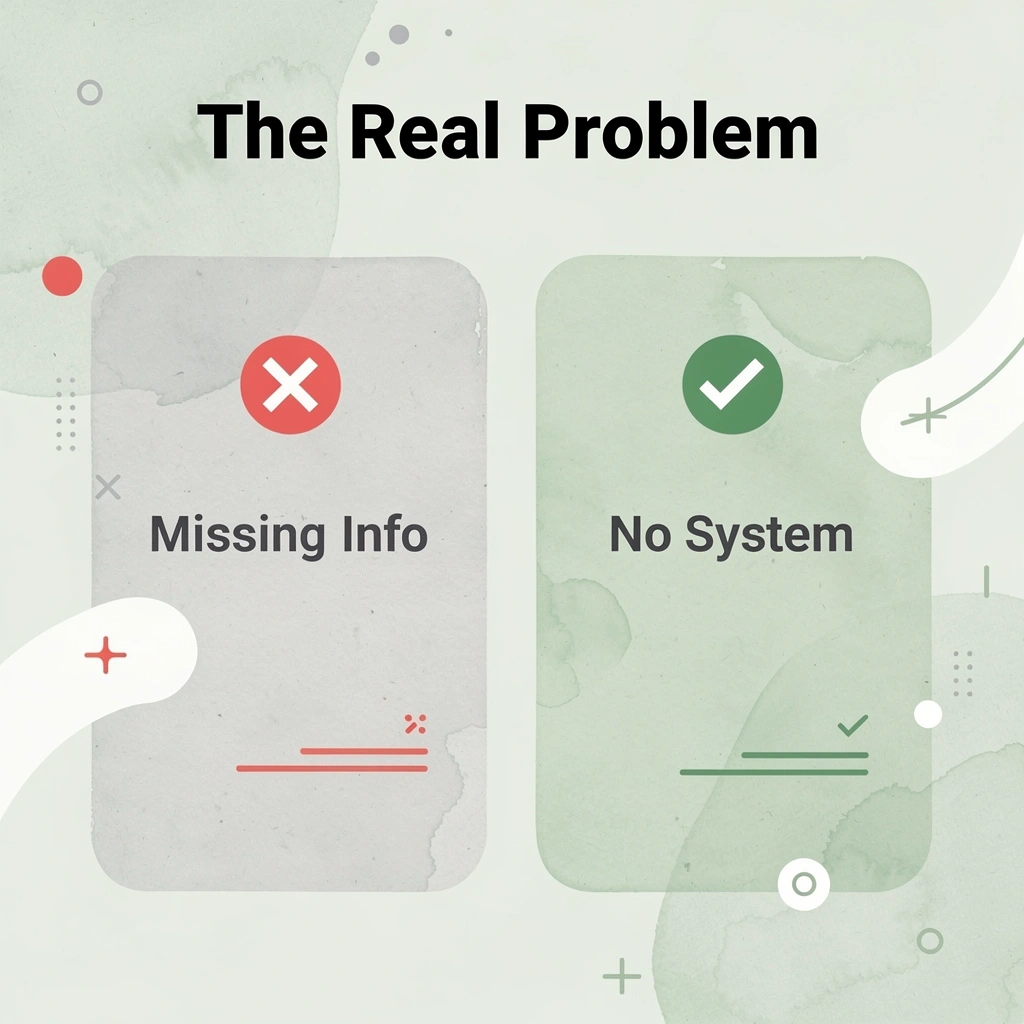
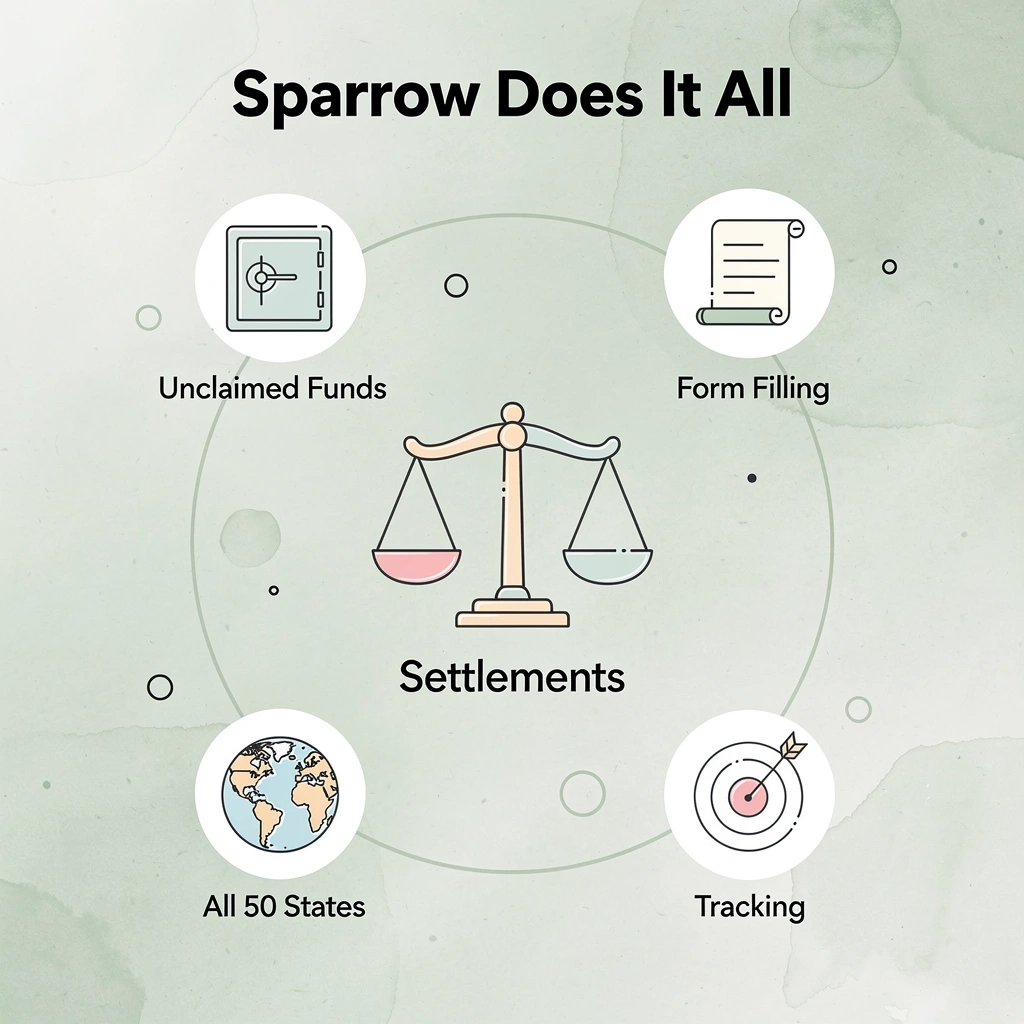
Sparrow solves that directly. It searches active class action settlements you qualify for, pulls unclaimed property records across all 50 states, pre-fills claim forms, and tracks every submission from one account. The barrier was never eligibility—it was the friction between knowing money exists and actually collecting it.
| What Sparrow Does | Why It Matters |
|---|---|
| Searches for active class action settlements | Finds claims you’d never discover manually |
| Pulls unclaimed property records across all 50 states | Surfaces money already owed to you |
| Pre-fills claim forms | Eliminates tedious paperwork |
| Tracks every submission in one account | No more lost deadlines or missed windows |
🎯 Key Point: Sparrow removes every layer of friction—from discovery to filing to tracking—so the only thing standing between you and your money is a free search.
Start your free search at usesparrow.com today. It takes a few minutes, requires no paperwork, and surfaces opportunities most people never find.
✅ Best Practice: Don’t wait—class action filing windows close, and unclaimed property becomes harder to recover over time. Search now, before another deadline passes.

Leave a Reply