
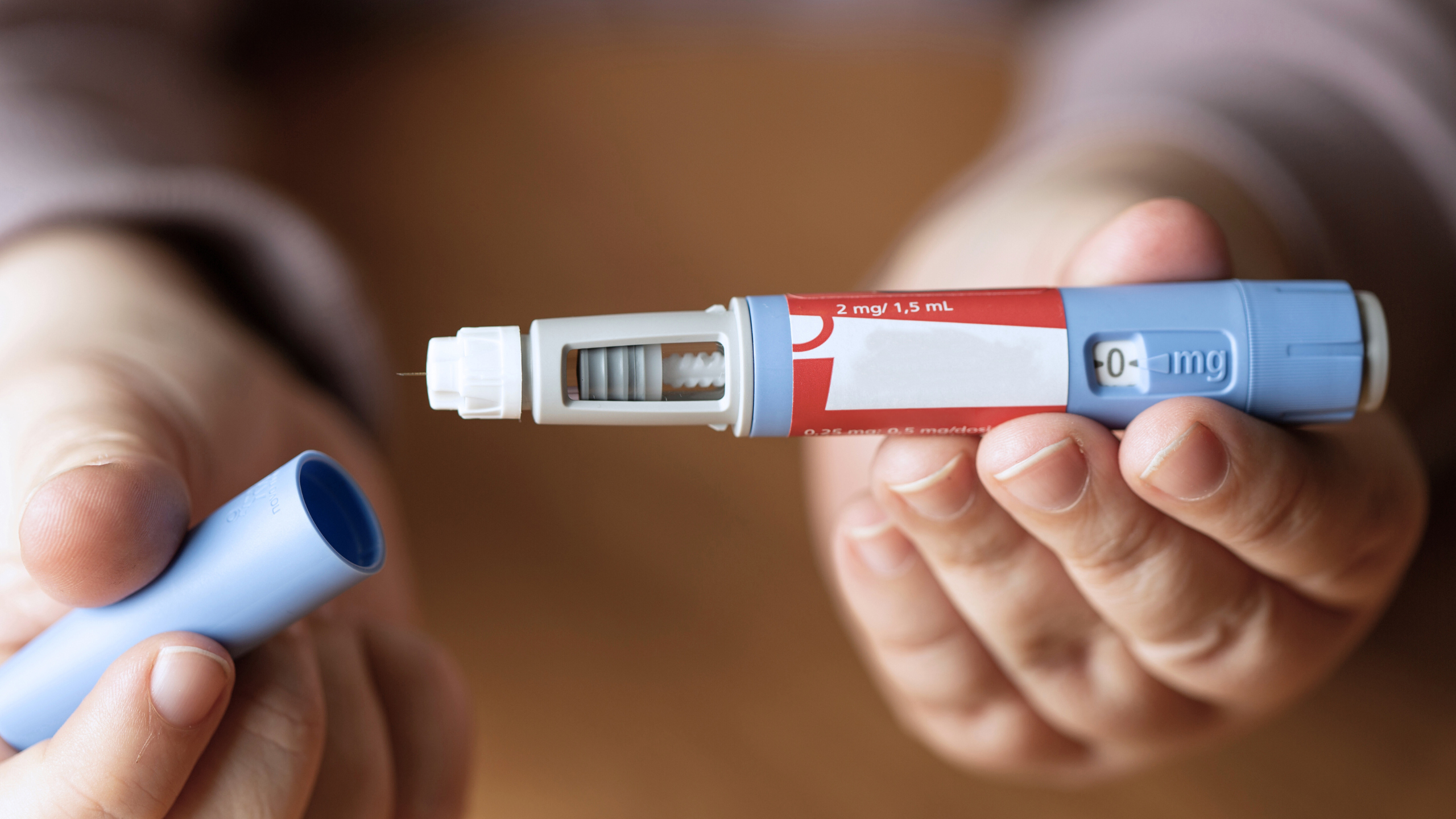

Thousands of people who took Ozempic have reported serious side effects, including gastroparesis and vision loss, and many are now exploring their legal options. Understanding what a class action lawsuit is and how it applies to Ozempic litigation can clarify what claims others are making, how courts are responding, and whether a case may apply to a specific situation.
Sorting through legal documents and case updates alone is overwhelming, especially when the stakes involve personal health. Sparrow simplifies the process by connecting people to the right legal resources and helping them join class action lawsuits.
Table of Contents
- What Is the Ozempic Lawsuit About, and Why Are People Filing?
- Who is Eligible to File an Ozempic Lawsuit?
- What Is the Current Status of the Ozempic Lawsuit?
- How to File an Ozempic Lawsuit Step-by-Step
- Documents That Strengthen Your Ozempic Lawsuit Claim
- How Sparrow Helps You Track Eligible Lawsuits and Claim Missing Money
- Start Finding Money You May Be Owed with Sparrow
Summary
- Thousands of patients who took Ozempic and developed serious conditions like gastroparesis or sudden vision loss are filing lawsuits centered on a failure-to-warn argument. Research has linked GLP-1 receptor agonists to a 4 times higher risk of gastroparesis compared to other diabetes medications, and at least 3,000 patients have filed lawsuits against the companies behind GLP-1 weight loss drugs, reflecting a widespread pattern of undisclosed risk rather than isolated incidents.
- The two injuries driving the most active litigation are gastroparesis and non-arteritic anterior ischemic optic neuropathy (NAION), a form of vision loss caused by reduced blood flow to the optic nerve. Patients who took Ozempic were 3.67 times more likely to develop gastroparesis compared to those on other weight-loss drugs, and GLP-1 medications have been linked to a 39% increased risk of intestinal obstruction. These conditions frequently persisted after patients stopped taking the medication, which strengthens the legal argument connecting the drug to lasting harm.
- Eligibility for an Ozempic lawsuit does not require catastrophic injury. Courts are focused on documented use of a branded GLP-1 drug (Ozempic, Wegovy, Rybelsus, Mounjaro, or Zepbound), a verified diagnosis such as gastroparesis or NAION, and evidence that the condition meaningfully disrupted daily life. Severity matters less than documentation, and a clear timeline connecting medication use to diagnosis carries significant legal weight.
- The litigation is advancing quickly. More than 10,000 cases are now pending in the gastroparesis MDL in the Eastern District of Pennsylvania, with a bellwether trial scheduled to begin in 2025. Bellwether trials serve as controlled tests of core legal theories, and their outcomes typically shift mass-tort litigation from procedural battles to settlement negotiations, making the current window particularly consequential for people who have not yet filed.
- Potential settlement amounts range from $10,000 to $2,000,000, depending on the severity of the injury and supporting documentation. The categorization of where a claim falls within that range happens during pretrial proceedings, not after a global settlement is announced. Most affected individuals are waiting for a widely reported headline confirming a settlement, but the practical filing window often opens and narrows well before that moment arrives.
- Millions of dollars in settlement funds go unclaimed each year, not because people are ineligible, but because they never received a clear signal that an opportunity existed. The average Sparrow user recovers over $345 per year, and the platform charges $84 annually with a guarantee to refund the difference if recoveries fall short.
- Sparrow addresses this directly by scanning active settlements weekly, matching users to qualifying claims, including those tied to GLP-1 medications, and handling form pre-filling and submission so eligible individuals can file without assembling medical records or tracking court docket updates on their own.
What Is the Ozempic Lawsuit About, and Why Are People Filing?
People who took Ozempic and experienced uncontrollable vomiting, stomach paralysis, or sudden vision changes are filing lawsuits because they were never given enough warning. The main legal argument is that Novo Nordisk knew — or had good reason to know — that certain serious injuries were possible and chose not to tell patients or their doctors about it clearly.
“The core claim in Ozempic lawsuits is failure to warn — that patients suffered severe, life-altering side effects that were never adequately disclosed before they started treatment.” — Legal analysts reviewing GLP-1 litigation
⚠️ Warning: A failure-to-warn claim doesn’t require proving the drug caused harm on its own — it requires proving that adequate disclosure was withheld, leaving patients unable to make an informed decision.
💡 Key Point: The three most cited injuries driving these lawsuits are gastroparesis (stomach paralysis), severe vomiting, and vision loss — conditions plaintiffs argue Novo Nordisk failed to prominently flag as known risks.
| Alleged Injury | Legal Claim |
|---|---|
| Stomach paralysis (gastroparesis) | Failure to warn patients of long-term GI risk |
| Uncontrollable vomiting | Inadequate disclosure of severity |
| Sudden vision changes | Known risk allegedly withheld from doctors |
🔑 Takeaway: At its core, the Ozempic lawsuit is about one thing — whether Novo Nordisk gave patients and physicians the full picture of what this drug could do to their bodies.
What health risks are driving the Ozempic lawsuit forward?
According to Drugwatch.com, research has linked GLP-1 receptor agonists like Ozempic to a 4 times higher risk of gastroparesis compared to other diabetes medications. Gastroparesis occurs when the stomach fails to move food forward, leading to persistent vomiting, severe malnutrition, and in serious cases, feeding tubes. Many patients report symptoms that doctors initially dismissed as routine nausea, delaying diagnosis by months and worsening physical damage.
What injuries are actually driving these cases?
The two conditions most frequently appearing in active litigation are gastroparesis and non-arteritic anterior ischaemic optic neuropathy (NAION), a form of sudden vision loss caused by reduced blood flow to the optic nerve. Plaintiffs report permanent digestive dysfunction and irreversible vision impairment that disrupted their ability to work, eat normally, and function day to day. Critically, these injuries persisted after stopping the medication; the harm outlasted the treatment.
Where does the legal exposure in an Ozempic lawsuit actually come from?
Patients weighed the risks of obesity against their doctor’s recommendation, made what felt like an informed decision, and then developed a condition nobody mentioned was possible. That gap between what was disclosed and what actually happened is where the legal exposure sits. NewsNation reports that at least 3,000 patients have filed lawsuits against the companies behind GLP-1 weight-loss drugs, reflecting a shared experience of feeling misled.
How can injured patients find out if they qualify for an Ozempic lawsuit?
Most people who experienced these injuries thought their situation was unusual or lacked the resources to file a lawsuit. Platforms like Sparrow solve this by helping people determine whether their experience qualifies without requiring them to read legal filings or gather proof independently.
Why the scale of litigation matters
As of mid-2026, over 3,800 gastroparesis-related cases are in federal multidistrict litigation MDL 3094 in Pennsylvania, with vision-loss claims consolidated separately. This concentration reflects the courts’ determination that these claims share sufficient commonality to be consolidated, which typically accelerates resolution. The question most affected patients haven’t asked: whether their experience, even if less serious than headlines suggest, still qualifies them for compensation. That question has a more surprising answer than most people expect.
Related Reading
- What Is A Class Action Lawsuit
- What Is A Class Action Settlement
- How Do Class Action Settlements Work
- How To Find Unclaimed Money
- Are Class Action Settlements Taxable
- Doge Transparency FOIA Lawsuit
- General Motors V8 Engine Lawsuit
- General Motors V8 Engine Lawsuit Settlement
- Shannon Sharpe Lawsuit
- Google Android Cellular Data Lawsuit
- Pima County Sheriff Lawsuit
Who is Eligible to File an Ozempic Lawsuit?
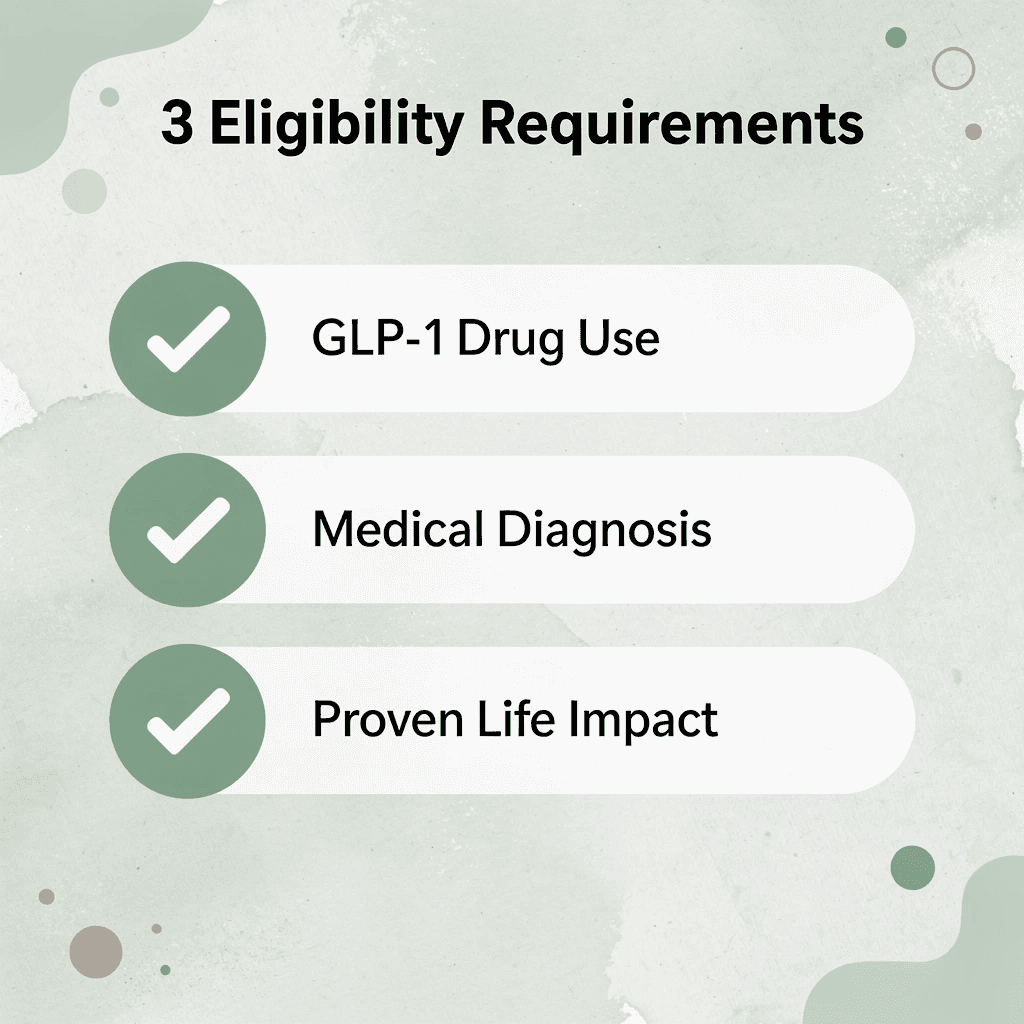
To be eligible for an Ozempic lawsuit, you need three things: proof that you used a branded GLP-1 drug, a confirmed medical diagnosis connected to that use, and evidence that the injury meaningfully disrupted your life. You don’t need serious outcomes like being admitted to the hospital or losing your vision. If your body reacted in ways your doctor never warned you about and a diagnosis followed, that experience probably meets the standard that courts are looking at.
“You don’t need to have been hospitalized — if your body reacted in ways your doctor never warned you about and a diagnosis followed, that experience likely meets the legal standard courts are applying to these cases.”
🎯 Key Point: The eligibility bar is lower than most people assume. A confirmed diagnosis plus a lack of prior warning from your prescriber may be all you need to qualify.
⚠️ Warning: Don’t disqualify yourself before speaking to an attorney. Many patients assume their injuries were “not serious enough” — but courts evaluate disruption to daily life, not just severity of symptoms.
| Eligibility Requirement | What It Means |
|---|---|
| Branded GLP-1 Drug Use | Proof you were prescribed Ozempic, Wegovy, or a similar drug |
| Confirmed Medical Diagnosis | A doctor-verified condition linked to your drug use |
| Life Disruption | Evidence the injury meaningfully impacted your daily functioning |
What drug use actually qualifies?
The lawsuit targets specific brand-name medications: Ozempic, Wegovy, and Rybelsus made by Novo Nordisk, and Mounjaro or Zepbound made by Eli Lilly. To have a valid claim, you need pharmacy records, insurance claims, or doctor’s notes showing regular use of these medications. Compounded or generic versions of semaglutide are excluded because the failure-to-warn argument targets the original manufacturers, not the pharmacies that compound medications. Prescriptions from telehealth platforms using brand-name drugs do qualify.
Which diagnoses actually move a case forward?
Gastroparesis confirmed through gastric emptying studies, intestinal obstruction, severe ileus, and NAION are the main qualifying diagnoses courts are seeing. According to TruLaw, patients who took Ozempic were 3.67 times more likely to develop gastroparesis compared to those taking other weight-loss drugs. GLP-1 drugs have been linked to a 39% increased risk of intestinal obstruction, establishing bowel-related complications as a documented pattern across the patient population.
Does an Ozempic lawsuit require an extraordinary injury to qualify?
Most people think their situation is too normal to qualify. Courts seek a verified diagnosis, a clear medication timeline, and documented harm—not the most dramatic story.
How do patients file an Ozempic lawsuit without having to handle the paperwork on their own?
Affected patients often assume they must gather medical records and navigate legal paperwork themselves before anyone will take their claim seriously. Platforms like Sparrow address this gap by helping consumers identify which settlements they qualify for and handle the filing process without requiring patients to produce documentation independently.
Does the severity of your symptoms matter?
How serious your case is matters less than having good records of it. A person who experienced ongoing nausea, visited the emergency room multiple times, and received a formal gastroparesis diagnosis has a stronger case than someone with identical symptoms but no medical records. When symptoms started also matters significantly: symptoms that began while taking the medication or within roughly 30 days of stopping carry more weight in court than symptoms reported months later with no clear connection to the drug. Courts need to see a clear path connecting the drug, the diagnosis, and how it disrupted your everyday life.
What Is the Current Status of the Ozempic Lawsuit?
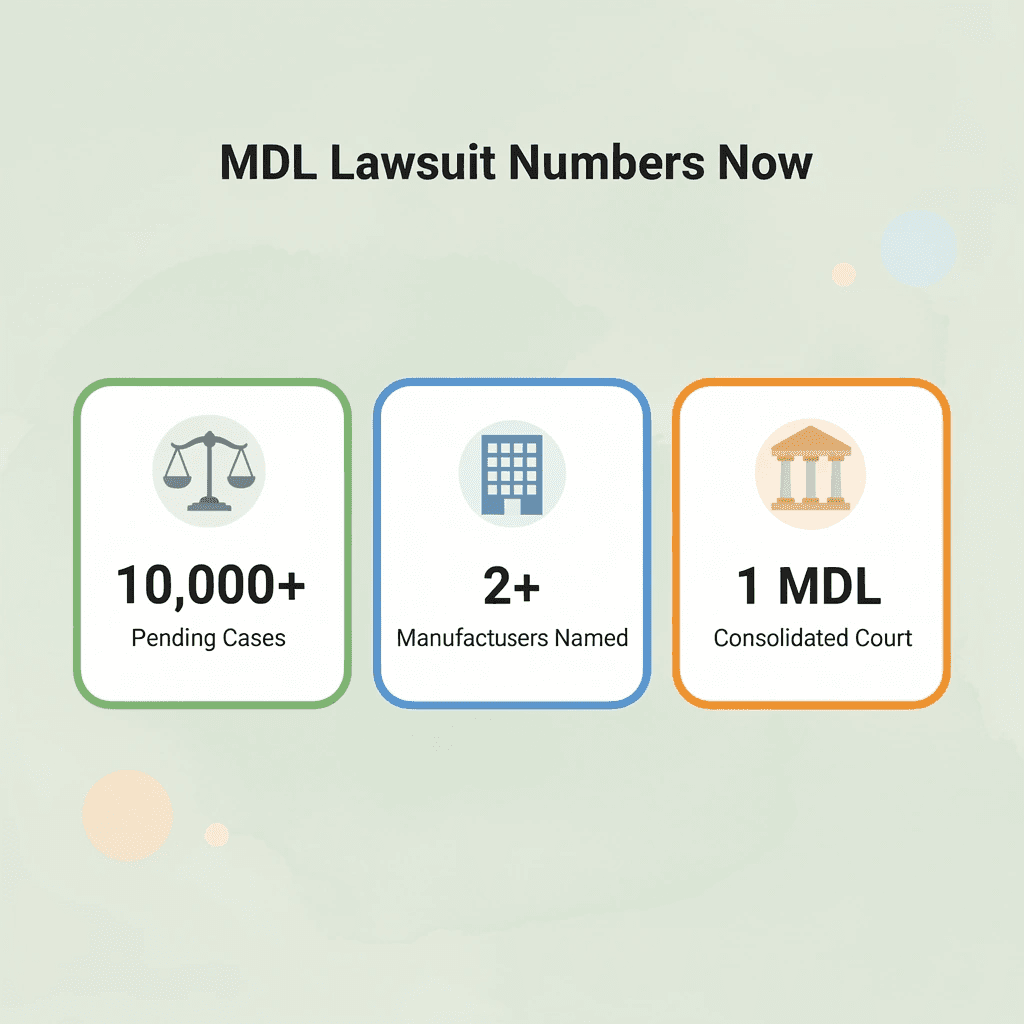
More than 10,000 cases are pending in the Ozempic/GLP-1 gastroparesis MDL, according to Drugwatch. This reflects growing pressure on manufacturers to answer questions about what they knew and when.
“More than 10,000 cases are now pending in the Ozempic/GLP-1 gastroparesis MDL — reflecting one of the fastest-growing mass tort actions in recent pharmaceutical litigation history.” — Drugwatch
🚨 Warning: The volume of pending cases signals that this litigation is ongoing. Manufacturers face mounting accountability as the MDL continues to grow.
🔑 Takeaway: The Ozempic lawsuit is a major, ongoing legal reckoning for GLP-1 drug manufacturers over alleged gastroparesis injuries, with 10,000+ active cases.
What’s actually driving the timeline forward
Large numbers of cases create urgency in pharmaceutical MDLs. When a docket grows by hundreds of cases monthly, courts respond with stricter scheduling orders. Judge Karen Spencer Marston in the Eastern District of Pennsylvania issued Case Management Order No. 30 to enforce expert disclosure deadlines and Daubert motion briefing. These tools force both sides to commit to their scientific arguments before trial. Manufacturers have moved to exclude plaintiff experts who link GLP-1 drugs to gastroparesis, and the evidentiary fight is ongoing and consequential.
How do bellwether trials shape the outcome of the Ozempic lawsuit?
Bellwether trials are the pressure valve of MDL litigation. Consumer Notice reports that one bellwether trial is scheduled to begin in 2025 to test core legal theories that will shape outcomes for thousands of plaintiffs. When a case goes to trial and a verdict is reached, both sides reassess their positions, shifting mass tort litigation from procedural battles to settlement discussions.
What stops most people from filing an Ozempic lawsuit claim?
Most people assume they need to track court filings, compile medical records, and determine which MDL applies to their injury. This assumption creates paralysis that costs real money. Platforms like Sparrow handle discovery and claims filing, so qualifying individuals can identify what they’re owed and file quickly, without legal expertise or extensive documentation.
What the numbers mean for individual claimants
The money at stake is significant and depends on the specific injury. According to TruLaw, possible settlement amounts range from $10,000 to $2,000,000 based on injury severity. A gastroparesis diagnosis that disrupted your life for three months could result in different compensation than one requiring hospitalization, feeding tubes, or permanent dietary changes. No overall settlement has been reached yet, but bellwether verdicts tend to guide negotiations. Severity categorization during pretrial proceedings determines compensation outcomes.
When does the real Ozempic lawsuit opportunity actually open?
Most affected people wait for a settlement headline, but the real opportunity arrives earlier—during the claims-filing window that opens as the lawsuit progresses. By the time a settlement reaches the news, the filing period is frequently closing. That gap between knowing compensation exists and claiming it is where most people lose what was already theirs.
Related Reading
- Nightfall Group Lawsuit
- Gmail Class Action Lawsuit
- Turbotax Lawsuit
- Amazon Prime FTC Settlement Lawsuit
- Isotonix Lawsuit
- Temu Lawsuit
- Amazon Fire TV Stick Lawsuit
- Life360 Lawsuit
- At&t Class Action Lawsuit
- Minnesota Ice Lawsuit
- Hexclad Lawsuit
- Capital One Class Action Lawsuit
- Apple Class Action Lawsuit
- Costco Sonoma County Lawsuit
- Dapper Development Lawsuit
How to File an Ozempic Lawsuit Step-by-Step
If you believe Ozempic caused a serious stomach or digestive injury, taking the right steps early makes your potential claim significantly stronger. Building a product liability case needs medical evidence, thorough documentation, and expert legal guidance that connects your injury to the medication and follows your state’s filing requirements.
“A product liability case lives or dies on documentation — medical records, timelines, and expert testimony are the foundation of every successful claim.” — Legal Industry Standard
| Step | Action Required | Why It Matters |
|---|---|---|
| Step 1 | Seek immediate medical attention | Creates an official medical record linking the injury to Ozempic |
| Step 2 | Document all symptoms and dates | Establishes a clear timeline for your claim |
| Step 3 | Preserve your prescription records | Proves direct use of the medication |
| Step 4 | Consult a product liability attorney | Ensures you meet state filing deadlines |
| Step 5 | File your lawsuit within the statute of limitations | Missing this can permanently bar your claim |
⚠️ Warning: Many states have strict statutes of limitations — waiting too long to act can completely eliminate your right to file, no matter how strong your evidence is.
💡 Pro Tip: Start gathering all prescription bottles, pharmacy receipts, and doctor’s notes immediately — even details that seem minor can become critical evidence in a product liability case.
🎯 Key Point: The strength of your Ozempic lawsuit depends on how well you can directly connect your documented medical injury to your use of the medication — which is why early action is absolutely essential.

Assess Your Potential Eligibility First
Check if your situation matches the established criteria: you used brand-name Ozempic, Wegovy, or Rybelsus and were diagnosed with gastroparesis (confirmed by gastric emptying studies), NAION vision loss (verified by eye doctor records), ileus, or intestinal blockages. Compare your prescription history and symptom timeline against the requirements—cases rely on objective medical proof rather than general side effects. This self-check helps determine whether pursuing a claim makes sense before investing time in formal steps.
Gather Comprehensive Medical and Prescription Records
Collect all relevant documentation: pharmacy receipts, insurance explanations of benefits, doctor visit notes, hospital records, and diagnostic test results such as scintigraphy for gastroparesis or imaging for NAION. Include timelines linking symptom onset to drug use and evidence of severity: emergency visits, hospitalizations, and ongoing treatments for malnutrition or vision impairment. Strong files demonstrating the drug caused your injury and the damages you suffered form the backbone of successful submissions to attorneys or courts.
Consult a Qualified Attorney Handling These Cases
Schedule a free case evaluation with a law firm experienced in the Ozempic MDLs to review your records and confirm whether your case fits within MDL 3094 for gastrointestinal claims or MDL 3163 for vision loss. Attorneys will check your state’s statutes of limitations, explain how the multidistrict process works, and outline what may happen with your case. This consultation provides personalized guidance on the strength of your case, potential challenges such as diagnostic standards, and next steps, typically at no upfront cost under a contingency arrangement.
Let Your Legal Team Prepare and File the Complaint
Your lawyers write and file your individual complaint in the appropriate federal court to enter the MDL. They include your specific facts while aligning with the main court documents on failure-to-warn claims against Novo Nordisk or Eli Lilly. They serve the defendants, coordinate with lead counsel, and handle any additional filings needed to expedite the process.
Participate in Discovery and Monitor Progress
After filing, participate in discovery, in which your team shares information, provides depositions if required, and answers questions from the opposing side, while continuing medical care. Stay updated through regular discussions with your attorney about MDL developments, such as bellwether preparations or expert rulings, which affect timelines. Active participation strengthens your position as the case moves toward settlement or trial.
Documents That Strengthen Your Ozempic Lawsuit Claim
A successful Ozempic lawsuit depends on clear documentation showing exactly when you took the medication, what injuries you experienced, how those injuries affected your life, and your financial losses. Complete records make it significantly easier to establish the facts behind your claim.
“A successful Ozempic lawsuit hinges on documentation — the more complete and organized your records, the stronger your position when establishing liability and damages.” — Legal Case Strategy Insight
| Document Type | What It Proves |
|---|---|
| Prescription & pharmacy records | When and how long did you take Ozempic |
| Medical records & diagnoses | The specific injuries you experienced |
| Doctor’s notes & treatment logs | How injuries progressed over time |
| Financial statements & bills | Your out-of-pocket losses and damages |
| Personal injury journal | How injuries impacted daily life |
🎯 Key Point: The strength of your claim is directly tied to the quality and completeness of your documentation — gaps in records can weaken your case significantly.
⚠️ Warning: Do not wait to gather documents. Medical records, receipts, and personal logs become harder to recover the longer you delay — start collecting evidence immediately.

Complete Prescription and Pharmacy Records
Collect every pharmacy receipt, refill history, insurance claim statement, and doctor’s order showing you used brand-name Ozempic, Wegovy, or similar GLP-1 medications. Include exact start and stop dates and dosage information. These documents prove you used the medication and establish a clear timeline connecting when your symptoms started to when you were taking it. This counters defense arguments about other possible causes or inconsistent use.
Diagnostic Test Results Specific to Your Injury
For stomach and digestive system claims, obtain gastric emptying study reports such as scintigraphy, breath tests, or wireless motility capsule results confirming gastroparesis or delayed emptying. Vision loss cases require eye doctor notes, visual field tests, and imaging showing NAION or optic nerve damage. These specialized tests provide medical evidence meeting court standards for claim viability in the MDL.
Hospital and Emergency Treatment Records
Collect discharge summaries, admission notes, ER visit reports, and procedure records from hospital stays, surgeries (such as gallbladder removal), and treatments for severe vomiting, dehydration, malnutrition, or vision emergencies. These documents demonstrate the severity of the condition and the required medical care, supporting claims for substantial damages, including past and future care costs.
Specialist Consultation and Ongoing Treatment Notes
Include detailed reports from stomach doctors, eye doctors, or other relevant specialists covering diagnoses, treatment plans, medication adjustments, and progress notes on chronic symptoms such as persistent nausea, nutritional deficiencies, or permanent vision changes. Long-term records demonstrate the duration of injuries and failed resolutions after stopping the drug, reinforcing the connection to the drug and measuring its long-term effects on daily functioning.
Personal Timeline and Symptom Journal Corroborated by Records
Keep a dated log that tracks symptom onset, missed workdays, lifestyle changes, and the condition’s impact on your daily life. Compare it with your doctor’s notes to ensure accuracy. This approach tells your story while supporting it with verifiable facts, which is essential for calculating damages for pain, suffering, and lost income.
How Sparrow Helps You Track Eligible Lawsuits and Claim Missing Money
Sparrow exists because the barrier to compensation has never been eligibility—it’s awareness and friction. Most people who qualify for active settlements never file because they never knew the window was open.
💡 Tip: If you’ve used a popular platform, taken a common medication, or purchased a widely sold product in the last decade, there’s a real chance you’re already eligible for an open settlement.
“The barrier to compensation has never been eligibility—it’s awareness and friction.” — Sparrow
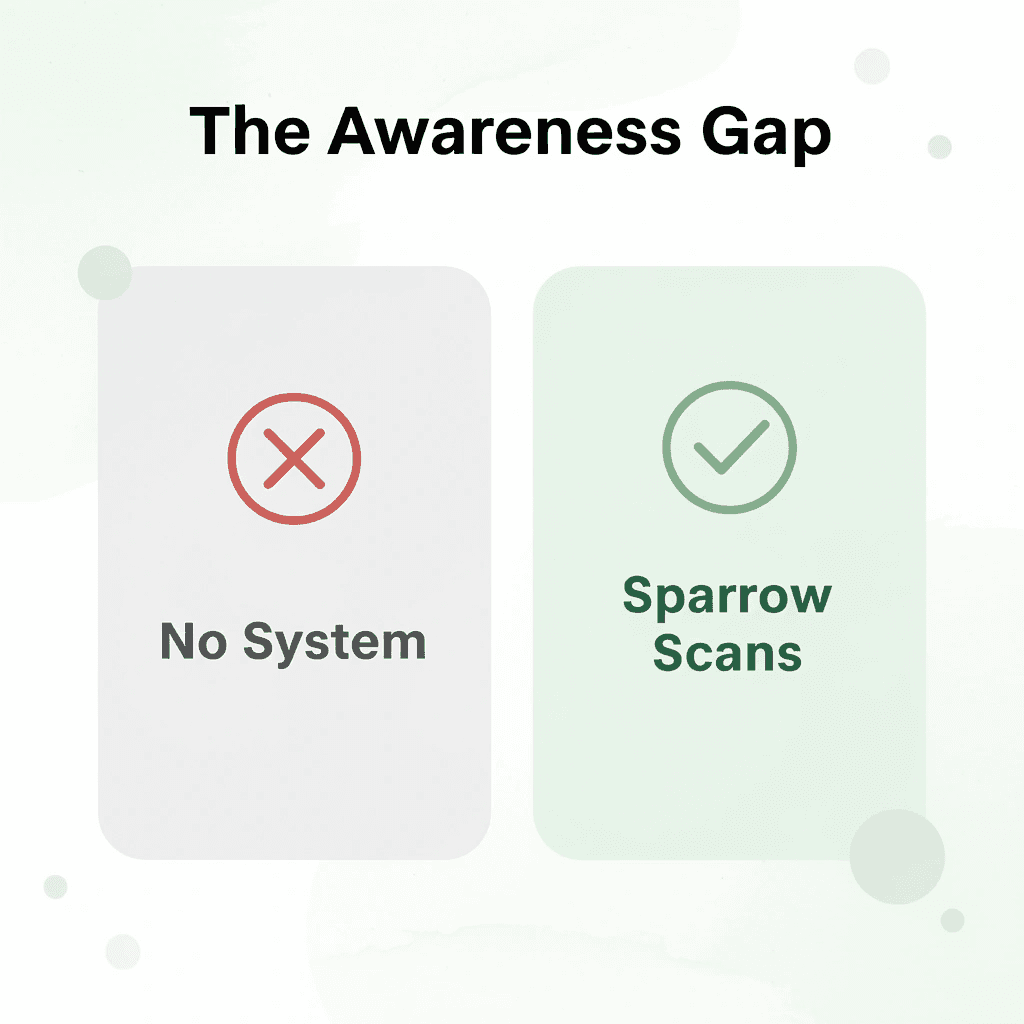
This pattern repeats across consumer cases constantly. Someone used a platform, took a medication, or bought a product that became the subject of a class action lawsuit. They qualified from day one, but without a system actively scanning for their eligibility, that opportunity expired quietly. According to Sparrow, millions of dollars in unclaimed property go unclaimed each year. The gap isn’t legal complexity. It’s the absence of a signal.
| Barrier Type | Why It Kills Claims | How Sparrow Solves It |
|---|---|---|
| Lack of Awareness | Eligible users never hear about the settlement | Actively scans and alerts you to matches |
| Friction & Complexity | Filing feels overwhelming or time-consuming | Streamlines the claim process end-to-end |
| Expired Windows | Deadlines pass before users act | Real-time monitoring catches open windows |
🔑 Takeaway: The real reason millions of dollars go unclaimed every year isn’t that people are ineligible—it’s that no one told them to file. Sparrow closes that gap by turning a passive missed opportunity into an active, automated alert.
⚠️ Warning: Settlement claim windows are strictly time-limited. Without a dedicated tracking system, even a valid, high-value claim can expire before you ever know it existed.
How does Sparrow differ from simply Googling settlements?
Most people search for settlements once, find nothing, and assume they don’t qualify. Sparrow flips that process: it scans active settlements weekly, matches them against your profile, and shows you no-proof class actions that require only a name and address. No receipts. No medical records. No attorney consultations before knowing if you have a claim.
What does Sparrow do after matching you to a claim?
The filing process is where most platforms stop, and Sparrow continues. Instead of sending you to a confusing administrator site with forms to print, sign, and mail yourself, Sparrow fills in your claim forms, prints them, and mails them with postage covered. One user spent evenings on a single form before Sparrow reduced that process to under five minutes for multiple high-value settlements. Sparrow tracks six categories of refunds: class action settlements, unclaimed government money, price-drop refunds, airline compensation, subscription overcharges, and late delivery credits, according to the App Store listing for Sparrow AI Refund Helper. This breadth means the platform covers more than one narrow slice of what you’re owed.
How does the Ozempic lawsuit process affect your eligibility to claim?
For GLP-1 medication cases, eligibility requirements shift as lawsuits develop and early trial results affect claim priority. Sparrow identifies qualifying cases requiring minimal documentation within group claim frameworks, completes relevant details in advance, and submits forms automatically, removing administrative work from your plate entirely.
What does Sparrow actually cost, and how do you get paid?
Sparrow charges $84 per year and guarantees you get back more than that, or it refunds the difference. The average user claims over $345 per year. Compensation arrives by check or direct deposit once settlement administrators process approved claims: real money, not credit or coupons.
Why does timing matter so much in an Ozempic lawsuit claim?
The hardest part of claiming what you’re owed isn’t the paperwork. It’s knowing the opportunity exists before it disappears.
Start Finding Money You May Be Owed with Sparrow
Billions of dollars in settlement funds go unclaimed every year, not because people lack eligibility, but because the process feels too complicated or is easy to defer.

Sparrow searches for settlements you qualify for, fills in claim forms ahead of time, and tracks submissions in one place. This reduces weeks of research to minutes of action. If you used Ozempic, Wegovy, or another branded GLP-1 drug and sustained a qualifying injury, money may be owed to you. Create your Sparrow account, check your eligibility, and let the platform ensure you don’t miss what’s yours.
Related Reading
- Claim App
- Catch
- Celsius Lawsuit
- At&t Lawsuit
- Fortnite Lawsuit
- Settlemate
- Rocket Money
- Poppi Lawsuit
- Truebill
- Is Settlemate Legit
- Is Claimmoney.com Legit

Leave a Reply