
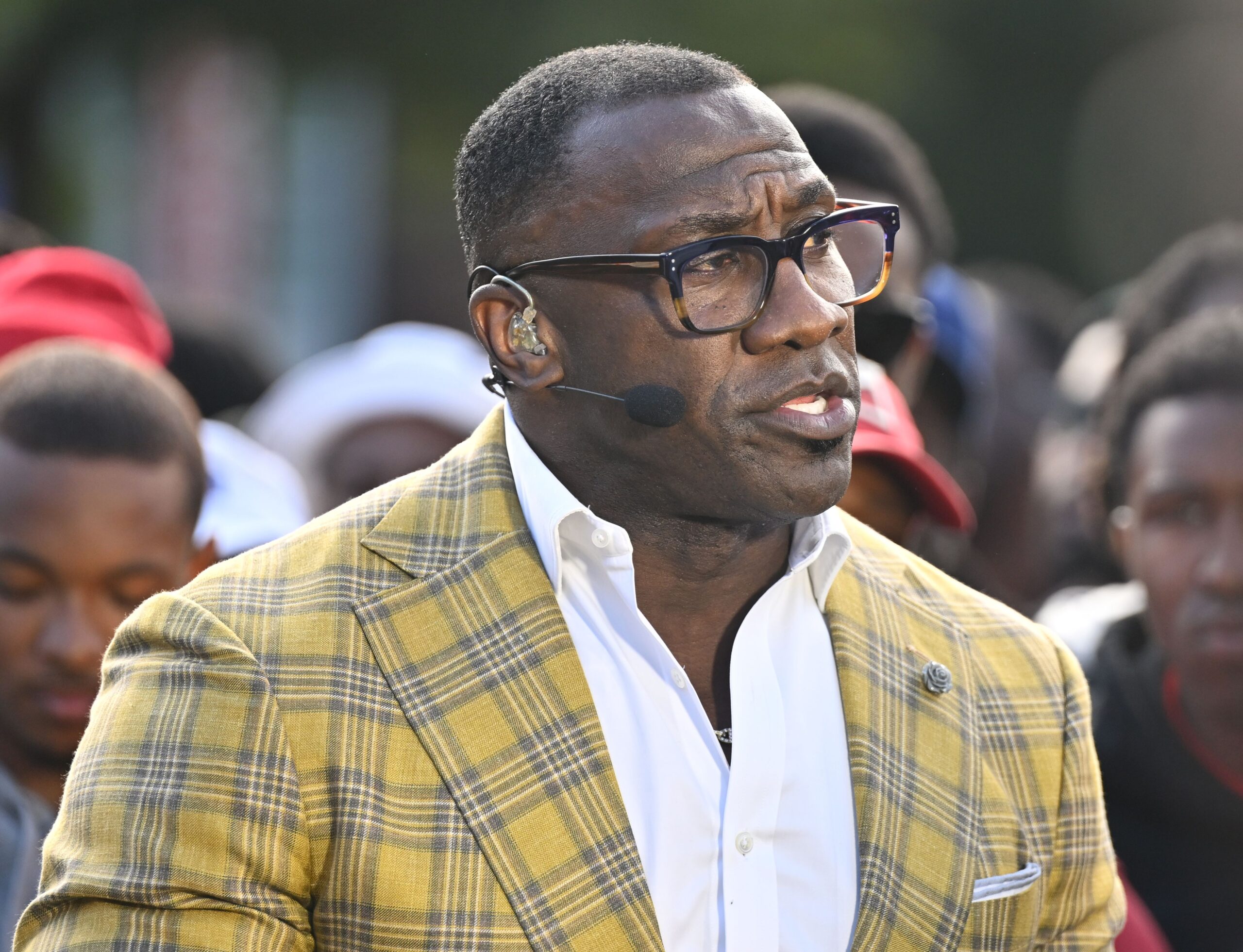

The Shannon Sharpe lawsuit has drawn widespread attention to serious allegations of sexual assault and battery made against the former NFL star and sports media personality. Beyond the headlines, the case raises broader questions about accountability and how civil claims of this nature move through the legal system. Understanding what is a class action lawsuit and how it differs from individual civil suits like this one helps clarify why cases like Sharpe’s follow a distinct legal path.
Sparrow helps people stay informed and take action when legal cases affect them directly. For those eligible to participate in related or similar legal matters, Sparrow simplifies the process to join class action lawsuits.
Table of Contents
- What Is the Shannon Sharpe Lawsuit About, and Who Filed It?
- What Evidence Has Been Discussed in the Case?
- What Is the Current Status of the Shannon Sharpe Lawsuit?
- Can Members of the Public Receive Compensation From the Shannon Sharpe Lawsuit?
- How to Verify Whether a Lawsuit Has an Open Settlement
- How Sparrow Helps You Find and Claim Eligible Settlement Money
- Start Finding Money You May Be Owed with Sparrow
Summary
- High-profile civil lawsuits involving public figures rarely reach a courtroom verdict. The Shannon Sharpe case, which sought $50 million in damages covering pain and suffering, emotional distress, and humiliation, was dismissed with prejudice on July 18, 2025, after both parties reached a private settlement. Dismissal with prejudice means the plaintiff cannot refile those specific claims, and no judge or jury ever evaluated the competing evidence.
- Evidence in civil sexual misconduct cases is frequently released strategically rather than through formal discovery. Both legal teams in the Sharpe case released materials, including text messages, audio recordings, and video clips, to shape public perception rather than to satisfy an evidentiary standard. Because the case settled before trial, none of that material was ever authenticated or cross-examined by a neutral fact-finder.
- Professional consequences in high-profile misconduct cases often move faster than legal ones. ESPN parted ways with Sharpe shortly after the July 2025 settlement, despite no criminal charges ever being filed and no judicial findings of fact being issued. Networks manage reputational risk on their own timelines, independent of courtroom outcomes.
- Settlement agreements are not admissions of liability. They represent calculated exits from uncertainty, in which both parties weigh the costs and unpredictability of continued litigation against the certainty of a private resolution. The absence of a public verdict leaves the evidentiary record permanently unresolved in cases like this one.
- Eligible claimants miss class action settlements far more often due to lack of awareness than lack of eligibility. Generic notification emails are frequently mistaken for spam, deadlines pass without action, and money that was legally available gets redistributed to other claimants or returned to defendants. The barrier is almost always informational, not legal.
- Sparrow addresses this by scanning active class action settlements weekly and matching users to no-proof-required claims, handling the filing process so eligible consumers can submit in minutes rather than miss deadlines entirely.
What Is the Shannon Sharpe Lawsuit About, and Who Filed It?
A civil lawsuit filed against Shannon Sharpe in April 2025 in Clark County, Nevada, focuses on claims of sexual assault, battery, and rape. A woman identified as Jane Doe accused Sharpe of misconduct during a nearly two-year relationship that started consensually in 2023 but allegedly turned into manipulation, coercion, and physical violation. She was in her early twenties when they met at a Los Angeles gym; Sharpe was in his mid-50s — a gap that critics say made the power dynamic especially concerning.
“The lawsuit, filed in April 2025, centers on allegations of sexual assault, battery, and rape — claims that emerged from a relationship the plaintiff says began consensually before allegedly turning coercive.” — Case Filing, Clark County, Nevada, 2025
🚨 Key Allegations: The lawsuit does not describe a single incident — it alleges a pattern of manipulation and coercion spanning nearly two years, beginning in 2023.
💡 Context: Jane Doe was in her early twenties when the relationship began, while Sharpe was in his mid-50s — an age difference of roughly 30 years that forms part of the broader context of the alleged power imbalance.
| Detail | Information |
|---|---|
| Filing Date | April 2025 |
| Jurisdiction | Clark County, Nevada |
| Plaintiff | Jane Doe |
| Defendant | Shannon Sharpe |
| Relationship Start | 2023 |
| Plaintiff’s Age at Meeting | Early twenties |
| Sharpe’s Age at Meeting | Mid-50s |
| Core Claims | Sexual assault, battery, rape |
What specific allegations does the Shannon Sharpe lawsuit include?
The complaint alleged that Sharpe committed rape in October 2024 and January 2025 in Las Vegas, ignoring the victim’s clear refusals and continuing despite her distress. The filing also stated he recorded intimate encounters without consent, shared those recordings, and used his physical size, wealth, and influence to create an environment of fear and control. According to Courthouse News Service, the lawsuit sought $50 million in damages for pain and suffering, emotional distress, mental anguish, and humiliation.
Who brought the Shannon Sharpe lawsuit forward?
Attorney Tony Buzbee of The Buzbee Law Firm filed the lawsuit on Jane Doe’s behalf. Buzbee is known nationally for representing accusers in high-profile sexual misconduct cases, including those involving NFL quarterback Deshaun Watson. He said the relationship started as consensual but maintained the allegations of later assault.
Sharpe fought back hard, calling the lawsuit a “shakedown” meant to extract money and insisting the relationship was fully consensual. He hired attorney Lanny Davis as his public spokesperson. Sharpe reportedly offered at least $10 million in mediation before the case was filed, a detail his legal team cited to argue the $50 million demand was opportunistic. The power imbalances in the complaint—age gap, wealth gap, fame gap—reflect a pattern that frequently emerges when discussing why certain relationships remain hidden from the public until they unravel.
How did the Shannon Sharpe lawsuit reach the public?
Most people tracking this case through social media encountered fragments: a headline here, a clip there. Civil complaints are formal legal documents with specific factual allegations that carry real consequences for everyone named, and the distance between a court filing and a viral post can be significant. According to The Source Magazine, the $50 million rape and sexual assault lawsuit was officially confirmed in July 2025 and ultimately reached a settlement. Platforms like Sparrow serve in moments when high-profile legal cases attract public attention, and people want to understand whether a larger class action may emerge without reading through legal filings or hiring an attorney.
What was the professional fallout from the Shannon Sharpe lawsuit?
The professional fallout happened quickly. Sharpe stepped away from his ESPN role on First Take after the April 2025 filing, and after the settlement was reached, ESPN ended its relationship with him entirely. A media career built over decades was compressed into a weeks-long reckoning, driven by allegations that moved from a Nevada courtroom to national headlines before most viewers finished their morning coffee. But what existed inside those court documents, and what evidence did either side present during arguments? That question gets closer to the truth than any headline can.
Related Reading
- What Is A Class Action Lawsuit
- What Is A Class Action Settlement
- How Do Class Action Settlements Work
- How To Find Unclaimed Money
- Are Class Action Settlements Taxable
- Doge Transparency FOIA Lawsuit
- General Motors V8 Engine Lawsuit
- General Motors V8 Engine Lawsuit Settlement
- Shannon Sharpe Lawsuit
- Google Android Cellular Data Lawsuit
- Pima County Sheriff Lawsuit
- Ozempic Lawsuit
What Evidence Has Been Discussed in the Case?
The evidence at the center of this case never reached the court. The lawsuit settled before any judge or jury examined what the text messages, audio clips, or video footage proved. This means every piece of material released to the public was shaped by legal strategy, not by a judge’s careful review.
“Every piece of material released to the public was shaped by legal strategy, not by a judge’s careful review.” — Key insight from case analysis
🚨 Warning: Because this case settled before trial, the evidence was never subjected to cross-examination, judicial scrutiny, or a formal verdict. The public record is inherently incomplete.
🔑 Takeaway: The absence of a trial is critical context. Without a judge or jury evaluating the text messages, audio clips, and video footage, there is no authoritative ruling on what the evidence proved—only what each side’s legal strategy chose to release.

What did the text messages reveal in the Shannon Sharpe lawsuit?
Sharpe’s legal team released dozens of pages of explicit text exchanges showing the accuser’s own words reflected enthusiasm and ongoing engagement, not coercion. The messages were released publicly rather than through formal discovery channels: a strategic choice designed to shift public opinion rather than satisfy evidentiary standards.
How did competing evidence shape the Shannon Sharpe lawsuit narrative?
The plaintiff’s side presented audio recordings that her attorney said captured Sharpe making threatening statements suggesting control and intimidation. Sharpe’s team disputed the context and interpretation, insisting the recordings did not support allegations of non-consensual acts. This competing release of partial evidence created a credibility contest in the press that no referee resolved.
The video evidence that changed the conversation
The most contested piece of evidence was a video clip, reportedly around ten minutes long, that the plaintiff’s side described as capturing one of the alleged Las Vegas assaults. Only short segments, roughly 30 seconds, were ever referenced publicly. Sharpe’s defense insisted the footage was edited or misrepresented a consensual encounter and repeatedly demanded release of the full unedited version. Without a court ruling, the public faced competing interpretations.
Why did partial evidence shape how people read the Shannon Sharpe lawsuit?
Most people treat partial evidence releases like movie trailers: they assume the best moment represents the whole thing. According to the Australian Criminal Courts, in the 2024-25 financial year, 89% of defendants were found guilty, showing how rarely contested cases proceed to trial without strong evidence. Civil cases differ: they have lower proof requirements and greater opportunity for settlement before evidence is tested. The Shannon Sharpe lawsuit never reached that point.
What did the secret recording allegations add to the case?
The allegations of secret recordings added another layer. The lawsuit claimed Sharpe recorded sexual encounters without consent and shared them with others, a pattern the plaintiff described as objectification and a privacy violation. These claims carried serious legal weight in Nevada, where non-consensual recording laws are explicit. But nothing in this case was ever proven in court.
How does a settlement affect what evidence the public ever sees?
Platforms like Sparrow exist because most people don’t know when a legal case creates settlement opportunities they qualify for. Consumers often miss claims not because they’re ineligible, but because the connection between a high-profile case and their own situation isn’t obvious until someone points it out. The filing process itself rarely requires proof of harm, only awareness that the settlement exists. What the settlement closed off was the chance to see any of this evidence evaluated by a neutral decision-maker. That unanswered question is what makes the current status of this case more complicated than it first appears.
What Is the Current Status of the Shannon Sharpe Lawsuit?
The lawsuit against Shannon Sharpe was settled and dismissed with prejudice on July 18, 2025. According to The Athletic / NYT, Sharpe had been away from ESPN for about three months before the settlement was announced. The legal case is over — however, the professional and reputational consequences are not.
“Sharpe had been away from ESPN for about three months before the settlement was announced.” — The Athletic / NYT, 2025
🚨 Case Status: The lawsuit was dismissed with prejudice on July 18, 2025 — meaning it cannot be refiled. The legal chapter is formally closed.
💡 Key Distinction: A dismissal with prejudice is not the same as an acquittal. It means the parties reached a private settlement — the full terms of which remain undisclosed.
| Legal Detail | Status |
|---|---|
| Settlement Date | July 18, 2025 |
| Dismissal Type | With Prejudice |
| ESPN Absence | ~3 months before settlement |
| Legal Case | Closed |
| Reputational Impact | Ongoing |
What does dismissed with prejudice actually mean?
Dismissal with prejudice means Jane Doe cannot refile these specific claims against Sharpe in civil court. The case is permanently closed on those grounds. No criminal charges were filed, so no prosecutor evaluated the allegations under the higher criminal-law standard of proof. The dispute resolved through private negotiation, with undisclosed terms.
What does the Shannon Sharpe lawsuit outcome actually tell us?
No judge, jury, or neutral fact-finder weighed the competing evidence. The texts, audio recordings, and video clips that both legal teams released to the press were never subjected to cross-examination or formal authentication. Settlement agreements are not admissions of liability: they are calculated ways to exit uncertainty, a distinction that matters when determining what the outcome reveals about what happened.
How did ESPN respond to the Shannon Sharpe lawsuit settlement?
ESPN ended its relationship with Sharpe shortly after the settlement was announced in late July 2025. The original civil lawsuit sought $50 million with allegations serious enough to expose any major media company to reputational risk. Networks manage risk on their own timelines, and Sharpe’s departure from First Take reflected that decision. He discussed the exit on his Nightcap podcast, saying he was at peace with it, though the timing coincided painfully with his brother Sterling’s Pro Football Hall of Fame induction.
What happens after legal closure in a case like this?
The legal system treats settlement as closure, but professional fallout, public perception, and unresolved questions about evidence persist well past the court’s final ruling. That gap between legal closure and real-world resolution is where most consequential decisions get made. Platforms like Sparrow exist precisely in that gap for class-action cases, where settlements are finalized before most eligible people know the case exists. The barrier to recovery is awareness, not eligibility.
Where does the Shannon Sharpe lawsuit leave things in 2026?
As of early 2026, Sharpe has said publicly he would welcome a return to television but acknowledged that the decision belongs to the networks. The case produced no criminal record, no public financial terms, and no judicial findings of fact: only a quick, private resolution that reshaped a high-profile career in weeks. The most important question for anyone watching this case closely is not what the settlement said, but what it quietly made possible for people who were never named in the lawsuit.
Related Reading
- Nightfall Group Lawsuit
- Gmail Class Action Lawsuit
- Turbotax Lawsuit
- Amazon Prime FTC Settlement Lawsuit
- Isotonix Lawsuit
- Temu Lawsuit
- Costco Sonoma County Lawsuit
- Hexclad Lawsuit
- Amazon Fire TV Stick Lawsuit
- Capital One Class Action Lawsuit
- Minnesota Ice Lawsuit
- Life360 Lawsuit
- At&t Class Action Lawsuit
- Apple Class Action Lawsuit
- Dapper Development Lawsuit
Can Members of the Public Receive Compensation From the Shannon Sharpe Lawsuit?
This case was filed as a private civil lawsuit between specific parties, not as a class action. Unlike class action settlements that allow consumers to file claims, members of the public cannot get compensation from this lawsuit.
“Unlike class action settlements that open the door to public claims, a private civil lawsuit limits compensation strictly to the named parties involved, meaning everyday consumers have no legal standing to collect.”
🚨 Important: This is a private civil lawsuit, not a class action, so no public claims process exists for everyday consumers.
💡 Tip: If you’re seeking compensation opportunities from similar cases, check class action settlements where the public can file claims and potentially recover money.
The Nature of the Lawsuit Limits Compensation
Shannon Sharpe faced a civil lawsuit filed by a plaintiff identified as Jane Doe in April 2025. The complaint alleged sexual assault, battery, and related claims during their relationship. As a civil suit between two parties, the compensation was limited to damages for the plaintiff’s alleged harm, with no class-action component.
The Settlement Remained Private
The parties reached a confidential settlement in July 2025. Attorney Tony Buzbee announced the resolution, noting that both sides acknowledged a long-term, consensual yet difficult relationship. The case was dismissed with prejudice, with no public disclosure of payment amounts or terms.
No Mechanism Exists for Public Claims
Members of the public have no legal right to money from this lawsuit. To claim damages in civil court, you must have been directly harmed or involved. Without class action certification or a victim compensation fund, outsiders cannot file claims or receive distributions.
Potential Indirect Effects on the Public
While direct payment remains unavailable, the case highlighted consent, power dynamics in relationships, and accountability for public figures. Media coverage and public discussion may influence broader conversations or future legal decisions, but they do not result in financial payouts for bystanders or unrelated individuals.
Lessons for Similar High-Profile Cases
This outcome reflects a pattern common in celebrity civil lawsuits: resolutions prioritize privacy and finality for those directly involved. The public learns of developments through the news but receives no compensation. Anyone seeking justice in similar situations must pursue separate legal action with proper standing.
How to Verify Whether a Lawsuit Has an Open Settlement
Not every lawsuit leads to money for consumers, and not every website advertising settlements is real. Before sharing personal information or filing a claim, make sure that the settlement is real, open, and that you qualify. This stops scams and wasted time on lawsuits that don’t offer public compensation.
“Not every lawsuit leads to money for consumers — verifying that a settlement is real, open, and that you qualify is the essential first step before sharing any personal information.” — Key Consumer Protection Principle
| Verification Step | Why It Matters | Red Flag to Watch For |
|---|---|---|
| Confirm the settlement is real | Prevents falling for fake claim sites | Unofficial URLs, no court case number |
| Check that it’s still open | Deadlines pass quickly | No listed claim deadline or expiration date |
| Verify you qualify | Not all consumers are eligible | Vague eligibility language or no criteria listed |
💡 Tip: Always search for the official settlement website through a trusted source like a court database or the FTC website — never click links from unsolicited emails or ads.
⚠️ Warning: Scam settlement sites often mimic legitimate claim pages. If a site asks for payment upfront or requests unnecessary personal details, such as your Social Security number, treat it as a major red flag and walk away.

Check Court Dockets for Dismissal Notices
Go to the online court website for the appropriate area and search using the case number. For the Shannon Sharpe lawsuit in Clark County, Nevada, search the Eighth Judicial District Court system. A dismissal with prejudice entry, often accompanied by a stipulation or order, indicates that the case has closed due to a settlement. This provides the most reliable public confirmation available.
Review Attorney Statements and Press Releases
Attorneys announce settlements through official statements on social media or firm websites. In the Sharpe case, plaintiff’s attorney Tony Buzbee posted on X to confirm the resolution and dismissal. Verify these announcements against court records to confirm their authenticity. Legitimate updates typically include details such as mutual agreement without admitting liability, which distinguishes resolved matters from ongoing disputes.
Search Reputable News Outlets for Confirmation
Trustworthy news sources report on major settlements using information from court documents and people involved. News outlets, including ESPN, The Athletic, and BBC, covered the Sharpe settlement following the July 2025 announcement. You can verify this by comparing multiple independent sources to confirm consistent facts, such as the dismissal date and public comments from representatives.
Use Tools Like Sparrow for Class Action Settlements
Platforms like Sparrow simplify the process of finding and filing for class action settlements. Our class action discovery platform identifies new lawsuits and locates class actions you can join without proving eligibility, while handling printing, mailing, and postage for your claim forms. As an independent platform unaffiliated with any parties involved, we provide access to multiple active claims weekly. We also offer a money-back guarantee if your earnings don’t exceed the yearly fee.
Understand Limitations of Public Information
Not all settlement details become public, especially money amounts or full terms. Many agreements include confidentiality clauses. If no dismissal appears and the case remains listed as active, it has not settled. For older or sealed matters, contact the court clerk directly or consult a legal professional for guidance on accessing non-electronic records.
How Sparrow Helps You Find and Claim Eligible Settlement Money
Cases involving allegations of sexual misconduct, coercion, and institutional failure often lead to class action lawsuits that name corporations, platforms, and employers as defendants. The people most affected are ordinary consumers and employees who experienced harm connected to the same systems — and they often have no idea a settlement exists that covers them.
“The people most affected by corporate misconduct and institutional failure are often the last to know a class action settlement exists — and the first to miss out on compensation they’re entitled to claim.” — Sparrow
💡 Tip: If you’ve ever been employed by, used services from, or interacted with a large corporation or platform facing misconduct allegations, there’s a real chance you’re already covered by an existing settlement — even if no one told you.
🎯 Key Point: Sparrow is built to close this gap — scanning active settlements, matching them to your profile, and walking you through the claims process so you never miss money that’s rightfully yours.
| Who Is Typically Covered | Common Settlement Types |
|---|---|
| Current & former employees | Workplace misconduct settlements |
| Platform users & consumers | Data privacy & coercion settlements |
| People affected by institutional failure | Corporate negligence class actions |
| Those who never filed a complaint | Opt-in compensation funds |

Why do eligible claimants miss out on settlement money?
That gap between eligibility and awareness is where real money disappears. Most people assume that if they were owed something from a lawsuit, someone would tell them. In practice, notifications often arrive as generic emails that look like spam, get deleted in seconds, and take a legitimate payout with them. The system was never designed to make claiming easy.
How does the Shannon Sharpe lawsuit show why automated claim tracking matters?
Manual searching—bookmarking legal news sites and checking occasionally—risks missing cases before deadlines close. Deadlines pass, forms go unfiled, and money legally owed gets redistributed to other claimants or returned to defendants. Platforms like Sparrow address this by scanning active settlements weekly and delivering matched, no-proof-required claims to users, handling filing and postage so the process takes minutes rather than evenings.
What types of money can actually be claimed?
According to the Apple App Store listing for Sparrow AI Refund Helper, consumers can recover five types of eligible money: class action payouts, unclaimed money, price-match refunds, airline compensation, and subscription credits. Major cases like the Sharpe lawsuit often spawn related settlements: data privacy claims against media companies, employment practice suits against networks, and consumer protection actions against platforms that profited from related content. Knowing where to look matters; having a tool that searches for you matters more.
Why do most people never finish filing a claim?
Most people eligible to claim money drop out while filing. Claim forms typically request purchase dates, account numbers, and transaction records that people no longer have. Sparrow circumvents this by focusing on settlements requiring no proof, where a name and address suffice. The Apple App Store listing for Sparrow describes a 3-step claim process of Link, Detect, and Claim completed in seconds. When filing takes five minutes instead of a Sunday afternoon project, completion rates change dramatically.
What should Shannon Sharpe lawsuit watchers actually be doing right now?
Unclaimed settlement money does not sit waiting forever. Deadlines are fixed, pools are finite, and every unfiled claim is a share that goes elsewhere. For anyone watching a case like the Sharpe lawsuit, the more useful question is not what the settlement said but what other active cases they are already eligible for.
Related Reading
- Poppi Lawsuit
- Fortnite Lawsuit
- Claim App
- Catch
- Is Settlemate Legit
- Is Claimmoney.com Legit
- Truebill
- At&t Lawsuit
- Settlemate
- Celsius Lawsuit
- Rocket Money
Start Finding Money You May Be Owed with Sparrow
Most people searching for information about the Shannon Sharpe lawsuit aren’t lawyers—they’re curious readers wondering about power, accountability, and quiet settlements. But beneath that curiosity lies a practical question: are there active settlements you qualify for that you’re unaware of?

That gap between eligibility and awareness is where money gets left behind. Sparrow helps you discover class action settlements you qualify for, simplifies the paperwork, and keeps you ahead of filing deadlines. No signup fees, no legal background required.

Leave a Reply