


Most people never realize they qualify for a class action settlement until the deadline has already passed. Understanding what a class action lawsuit is and how the settlement process works can mean the difference between collecting a payout and missing it entirely. Once a case concludes, funds are distributed only to those who file a valid claim on time, which means knowing the rules matters as much as knowing the lawsuit exists.
Finding open claims is where most people get stuck, since settlements rarely make headlines and court notices are easy to overlook. Sparrow removes that barrier by matching users to active settlements they already qualify for, so compensation does not go uncollected simply due to a lack of awareness. Those ready to stop missing out can join class action lawsuits through Sparrow and start claiming what they are owed.
Table of Contents
- What Is A Class Action Settlement And How Does It Work?
- What Types of Cases Lead to Class Action Settlements?
- Can You Receive Money From More Than One Class Action Settlement?
- How to Know If You Are Eligible for a Class Action Settlement
- How to File a Claim to Receive a Class Action Settlement
- How Sparrow Helps You Find and Claim Class Action Settlements
- Start Finding Money You May Be Owed with Sparrow
Summary
- Class action settlements rarely reach trial. Most cases resolve when the defendant agrees to pay a defined sum or change its practices in exchange for releasing the claims, and a federal judge must approve the agreement before it becomes binding. The median securities class action settlement reached $13.5 million in 2023, according to Cornerstone Research, but that figure is distributed among thousands of claimants after attorney fees, court costs, and administrative expenses are deducted.
- Employment and consumer fraud cases generate the highest volume of settlements. According to the Duane Morris Class Action Review 2025, employment class actions accounted for 34% of all class action settlements in 2024, driven largely by unpaid overtime, worker misclassification, and discriminatory pay practices. Consumer fraud cases represented approximately 25% of settlements in the same period, often involving misleading product labels or hidden subscription fees that overcharged millions of customers by small amounts individually but added up to tens of millions in aggregate.
- Filing multiple claims across separate settlements is legally straightforward because each case is governed by its own class definition and release terms. Courts write those definitions narrowly under Rule 23 of the Federal Rules of Civil Procedure, which means signing a release in one case does not affect your rights in any other. The Facebook class action settlement, for example, totaled $725 million distributed across two payment rounds, and eligible users who also experienced data breaches elsewhere could file those claims entirely separately.
- Fewer than 9% of eligible people actually file a claim even after receiving direct notice, according to the FTC via Payout Blog. That figure reflects an awareness and logistics problem, not an eligibility one. Settlement notices frequently land in spam folders or get mailed to outdated addresses, and many consumers assume the filing process requires documentation they no longer have, even though a large share of consumer product settlements accept a signed declaration in place of receipts.
- Claim deadlines typically run 60 to 120 days from when notice is mailed or published, according to Class Action Buddy, and missing them is more common than most people expect. The average gap between recognizing a qualifying purchase and actually submitting a form, including locating records, verifying eligibility, and navigating the correct portal, is long enough that many people abandon the process entirely. The Sparrow Blog reports that the average user claims over $345 per year, suggesting the difference between what most people recover and what they are actually owed is substantial.
- Settlement payments are not all treated the same way by the IRS. Compensation for physical injuries or sickness may be non-taxable under IRS Section 104, while payments for lost wages and punitive damages are fully taxable under IRS Section 61. The category of harm your claim addresses directly affects how much of any payment you actually keep, making it worth understanding before filing rather than after.
- Sparrow addresses the gap between settlement eligibility and actual recovery by scanning active cases weekly, matching users to no-proof-required claims, and handling the printing and mailing of completed forms so the process takes minutes rather than hours.
What Is A Class Action Settlement And How Does It Work?
A class action settlement is the way most cases get resolved before going to trial. The defendant agrees to pay a certain amount of money, provide benefits, or change how it does business. In return, class members get compensation without the risk and cost of going to court. The defendant does not have to admit it did anything wrong. The agreement only becomes official after a federal judge approves it as fair.
“A class action settlement only becomes legally binding after a federal judge reviews and approves it as fair, reasonable, and adequate — protecting class members from unfair deals.”
💡 Example: A company accused of overcharging customers might settle by paying $10 million into a fund — without ever admitting wrongdoing — so that affected customers receive compensation faster than a trial would allow.
⚠️ Warning: Just because a settlement is reached doesn’t mean it’s automatically valid. A federal judge must review and approve the terms before any money changes hands or benefits are distributed.
| Settlement Component | What It Means for Class Members |
|---|---|
| Monetary Payment | Defendant pays a set amount distributed to eligible members |
| Non-Monetary Benefits | May include product replacements, credits, or policy changes |
| No Admission of Wrongdoing | Defendant settles without legally admitting fault |
| Judicial Approval Required | A federal judge must confirm the deal is fair |
| Compensation Without Trial | Members receive relief without the cost or risk of court |
🔑 Takeaway: A class action settlement is a negotiated resolution that balances guaranteed compensation for class members against the defendant’s ability to avoid trial — all under the watchful eye of a federal judge.

How does the settlement fund get divided among class members?
The total settlement fund may seem large on paper, but its distribution follows a structured process. Attorney fees, court costs, and administrative expenses come out first, subject to judicial approval. What remains flows to class members based on either the harm they experienced or a pro rata share of the pool. According to Cornerstone Research’s Securities Class Action Settlements report, the median settlement amount for securities class actions was $13.5 million in 2023, a figure that, when divided among thousands of claimants, is significant.
What is a class action settlement claim process actually like?
Most settlements don’t require receipts, documentation, or legal knowledge to file. Platforms like Sparrow scan open settlements and match you to claims you qualify for, reducing the discovery process from hours of searching to minutes.
What taxes mean for your check
The IRS does not treat all settlement payments the same way. According to Levi & Korsinsky, LLP’s guide on understanding class action settlement checks, payments for physical injuries or sickness may not be subject to tax under IRS Section 104, while compensation for lost wages and punitive damages is fully taxable under IRS Section 61. The type of harm your claim addresses determines how much of your payment you keep.
Why does a class action settlement exist in the first place?
The class action system exists because individual customers suing corporations rarely makes economic sense. When customers join together, they gain real power. The process takes one to three years from filing to payment, but it produces compensation that would otherwise never exist.
Once you understand how settlements work mechanically, the more interesting question becomes what kinds of harm trigger them in the first place.
What Types of Cases Lead to Class Action Settlements?
Class action settlements happen when one company’s decision, policy, or product hurts thousands of people at the same time. The legal system has a specific way to handle this type of situation — allowing affected individuals to pursue collective justice rather than file costly individual lawsuits.
“When a single company decision, policy, or product harms thousands of people simultaneously, the legal system provides a powerful collective remedy: the class action settlement.” — Legal Consumer Resource
| Case Type | Common Example | Who Qualifies |
|---|---|---|
| Defective Products | Faulty wipes, unsafe devices | Purchasers of the product |
| Data Breaches | Exposed personal information | Affected account holders |
| Deceptive Advertising | Misleading product claims | Consumers who bought the item |
| Employment Violations | Unpaid wages, discrimination | Current or former employees |
| Financial Misconduct | Hidden fees, fraud | Impacted customers or investors |
💡 Tip: If you purchased a product or used a service tied to a class action lawsuit, you may be automatically eligible for a settlement payout — even if you never filed a complaint.
🔑 Takeaway: Class action settlements are most powerful when a widespread harm affects a large group, making individual legal action impractical or financially impossible for the average person.

The categories that generate the most settlements
Employment disputes lead by the numbers. According to the Duane Morris Class Action Review 2025, employment class actions comprised 34% of all class action settlements in 2024. These cases typically involve unpaid overtime, worker misclassification, or discriminatory pay practices affecting entire workforces: policy choices that save companies money at workers’ expense, repeated thousands of times until someone files a lawsuit.
Which industries produce the most class action settlement money?
Consumer fraud cases account for approximately 25% of all class action settlements in 2024, covering everything from misleading product labels to hidden subscription fees. A company that overcharges ten million customers by eight dollars each has taken in eighty million dollars through deception, even though no single customer lost enough to sue on their own. The class action system exists to address that problem.
Product liability, securities fraud, and data breach cases make up the other major categories. Data breach suits have grown as companies collect more personal information with inadequate protections. Antitrust cases, though less visible to consumers, yield some of the largest settlement funds because price-fixing in commodities or pharmaceuticals can raise costs across entire industries for years. The common thread is scale: the harm must be widespread and traceable to a single source.
How do most people find out what class action settlements they qualify for?
Most people discover settlements by searching online or waiting for a postcard that may never arrive. Platforms like Sparrow work differently: they search through active settlements in employment, consumer fraud, data breach, and other categories to surface claims you already qualify for. Often, you don’t need receipts or documentation to file.
Most people who qualify for settlements in these categories never file a claim, not because they don’t qualify, but because they never hear about the case or think the process requires too much effort. The money is there. The settlement fund is already approved. The only thing that matters is whether you show up to collect what is owed to you.
Related Reading
- What Is A Class Action Lawsuit
- Doge Transparency FOIA Lawsuit
- General Motors V8 Engine Lawsuit
- How Do Class Action Settlements Work
- Are Class Action Settlements Taxable
- Pima County Sheriff Lawsuit
- Google Android Cellular Data Lawsuit
- Ozempic Lawsuit
- Shannon Sharpe Lawsuit
- How To Find Unclaimed Money
Can You Receive Money From More Than One Class Action Settlement?
You can collect from multiple class action settlements at the same time. Each case is entirely separate, with its own class definition, release terms, and administrator. Courts approve settlements in a narrow, specific way, meaning the release you sign covers only the specific claims in that lawsuit — leaving every other harm fully intact and eligible for recovery.
“The release you sign covers only the specific claims in that lawsuit, leaving every other harm fully intact.”
💡 Tip: Don’t assume filing one claim disqualifies you from others. Each settlement stands alone. Signing one release does not affect your eligibility in separate cases.
⚠️ Warning: Review the release terms of each settlement carefully. The specific language determines which claims are waived and which remain open for future recovery.
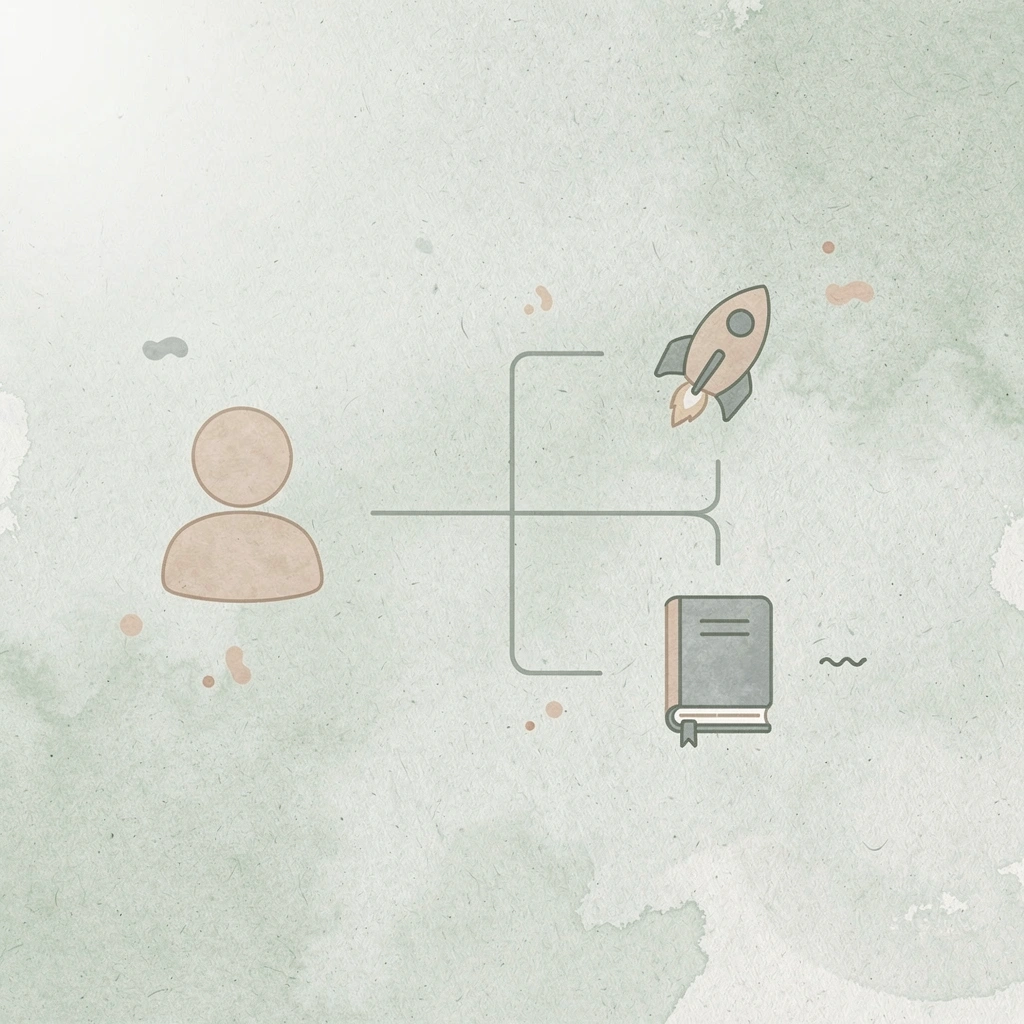
Most people who qualify for one settlement qualify for several. The same consumer who bought a mislabeled product, used a platform where data was compromised, and worked for an employer who reduced overtime hours has three separate claims in three separate cases. Each moves on its own timeline, with checks arriving from different funds at different times — meaning your total recovery can stack across multiple payouts.
| Claim Type | Example Harm | Moves Independently? |
|---|---|---|
| Consumer / Product | Mislabeled product purchase | ✅ Yes |
| Data Privacy | Platform data breach | ✅ Yes |
| Employment | Reduced or unpaid overtime | ✅ Yes |
🎯 Key Point: Your eligibility is cumulative — qualifying for one class action does not reduce, limit, or cancel your standing in any other. Multiple checks from multiple funds are entirely possible.
What actually limits your recovery
The real problem isn’t about the law: it’s about logistics. Tracking open settlements, verifying eligibility, and submitting paperwork before deadlines across multiple cases demands effort. Most people intend to do it, but then miss the deadline. According to the Institute for Legal Reform, top class action settlements can pay out hundreds of millions of dollars, but individual class members often receive as little as a few dollars. The gap between what’s available and what gets claimed isn’t a legal problem: it’s an awareness and effort problem.
How can you close the gap between available settlements and what you actually claim?
Platforms like Sparrow close this gap by showing you settlements you already qualify for and walking you through filing without requiring receipts or documentation you may not have. The barrier shrinks from hours of research to minutes of action.
Why the Facebook settlement matters as a benchmark
The Facebook class action settlement totaled $725 million, distributed across two separate rounds of payments to eligible users. Someone who experienced a data breach at a retailer, telecom company, or financial institution during overlapping years could file claims in each case without conflict, as the Facebook payout didn’t exhaust their rights elsewhere.
How does Rule 23 protect your rights across multiple settlements?
Rule 23 of the Federal Rules of Civil Procedure treats each case as a separate matter, preventing companies from using a single settlement to shield themselves from liability in different actions. This design protects you, but only if you know which settlements remain open and act before the deadline passes.
What is a class action settlement qualification process actually like?
Qualifying for a settlement is simpler than most people assume.
How to Know If You Are Eligible for a Class Action Settlement
To qualify for a class action settlement, you need to match the settlement’s definition of who can participate. If you fit that description, money is already set aside for you — you just need to know to look for it.
“If you fit the settlement’s definition of an eligible participant, money is already set aside for you — most people simply don’t know to claim it.” — Class Action Settlement Eligibility Principle
🎯 Key Point: Eligibility is determined by the settlement’s own definition — if you match the criteria, you are automatically entitled to participate.
| Eligibility Factor | What It Means | What You Should Do |
|---|---|---|
| Who can participate | The settlement defines a specific class of people | Check if your situation matches the description |
| Money set aside | Funds are pre-allocated for eligible claimants | Don’t leave your share unclaimed |
| Knowing to look | Most people miss settlements entirely | Actively search for settlements tied to products or services you’ve used |
⚠️ Warning: Millions of dollars in class action settlements go unclaimed every year simply because eligible participants never knew to file a claim. Don’t let your share go to waste.
💡 Tip: Start by identifying any product, service, or company you’ve interacted with — then search for active or recent settlements tied to those names.

What actually determines eligibility
The class definition explains who qualifies, typically by product purchased, date range, geographic location, or account type. Courts write these definitions narrowly on purpose, so the match must be exact, not approximate. If you bought a specific shampoo between January 2021 and March 2023 or held a particular bank account during a data breach window, that purchase or account status qualifies you.
Why do so few eligible people claim what a class action settlement payout is?
What surprises most people is how often they already qualify without knowing it. According to the FTC, via the Payout Blog, fewer than 9% of eligible people file a claim, even after being notified. Settlement notices often get mistaken for junk mail, or people assume the process requires more effort than it does. The money sits unclaimed not because people don’t qualify, but because they never connect the dots between a past purchase and an open settlement.
How can you discover eligibility without waiting for a notice?
Most people wait to receive a notice before deciding whether it looks legitimate. This approach misses cases where the administrator had an outdated email address or where no direct notice was sent. Platforms like Sparrow automatically match your consumer profile against open settlements, so eligibility becomes something you discover rather than hunt for.
When does proof matter in a class action settlement claim?
The proof requirement varies by settlement. High-value settlements involving financial products or medical devices typically require documentation, bank statements, purchase receipts, or account records. Consumer product settlements—especially those involving packaged goods, subscription services, or digital platforms—often accept a signed declaration instead. The class period dates matter: if you used the product during that time, your statement alone is usually sufficient. According to Payout Blog, $42 billion in class action settlements were reached in 2024 alone, with a large portion involving everyday consumer products where documentation requirements were minimal.
How do geographic and demographic filters affect your eligibility?
Geographic and demographic criteria add another layer. Some settlements limit eligibility to specific states with stronger consumer protection laws. Employment and securities cases may restrict eligibility based on job title, employment dates, or share ownership periods, since the harm is often localized. Checking your state, account type, or employment dates against the class definition takes minutes and can determine whether your claim is valid.
Knowing you qualify matters less than acting before the claim window closes.
Related Reading
- Apple Class Action Lawsuit
- Life360 Lawsuit
- Amazon Fire Tv Stick Lawsuit
- Isotonix Lawsuit
- Capital One Class Action Lawsuit
- Amazon Prime Ftc Settlement Lawsuit
- Minnesota Ice Lawsuit
- At&t Class Action Lawsuit
- Temu Lawsuit
- Turbotax Lawsuit
- Gmail Class Action Lawsuit
- Hexclad Lawsuit
- Dapper Development Lawsuit
- Costco Sonoma County Lawsuit
- Nightfall Group Lawsuit
How to File a Claim to Receive a Class Action Settlement
Knowing you qualify means nothing if you miss the deadline. The claim form turns eligibility into payment, and administrators use it as a critical verification tool. Every blank field or estimated date creates a reason to flag or reject your submission — don’t give them one. Submit accurate information through the official settlement website or administrator portal.
“Every blank field or estimated date creates a reason to flag or reject your submission — accuracy is the difference between payment and disqualification.” — Settlement Filing Best Practices
| Filing Element | Why It Matters | Common Mistake |
|---|---|---|
| Claim Deadline | Missing it = automatic disqualification | Assuming extensions are available |
| Accurate Information | Administrators verify every detail | Submitting estimated or guessed dates |
| Official Portal | Ensures your claim is received | Using third-party or unofficial sites |
| Blank Fields | Any gap can trigger a rejection flag | Leaving optional-seeming fields empty |
⚠️ Warning: Never submit your claim through an unofficial third-party website — only use the official settlement administrator portal to ensure your filing is received and processed.
💡 Pro Tip: Before hitting submit, double-check every field for accuracy. Even a single mismatched date or missing detail can result in your claim being flagged, delayed, or rejected outright.

What documents do you need to file a class action settlement claim?
The documents you need depend on the settlement type. For cases that don’t require proof, a signed statement under penalty of perjury suffices. For cases involving documented harm—such as a data breach affecting your financial accounts or a subscription service charging you for undelivered features—you’ll need account statements, billing records, or purchase dates matching the class period. Subscribers who retained their billing history and company communications about plan limits are better positioned than those relying on memory alone. The difference between a strong submission and a rejected one is often a document already in your inbox.
How much time do you have to submit a class action settlement claim?
According to Class Action Buddy, claim deadlines are typically 60 to 120 days from when the notice is mailed or published. That window narrows when you factor in the time needed to find records, verify that you meet the class definition, and submit through the correct portal. Most people who miss deadlines underestimate the work required between qualifying and filing.
Why do so many eligible claimants miss the filing window entirely?
The common approach of waiting for a mailed notice, then scrambling to find the settlement website and gather documents before the deadline, fails when notices are filtered into spam, mailed to old addresses, or overlooked. Sparrow addresses this by scanning active settlements, matching your profile to cases you likely qualify for, and handling the printing and mailing of completed claim forms on your behalf, focusing on cases that don’t require proof where the filing barrier is lowest.
After you submit
Filing is not the finish line. Once the deadline closes, the administrator processes claims. Courts must grant final approval before distribution, with timelines varying by settlement. Keep copies of everything submitted, note your confirmation number if filing online, and check the settlement website for status updates. Payment arrives by check or direct deposit, reflecting your documented harm level and the total number of claims filed. Fewer claimants mean a larger individual share, so file early.
But the real question most people never ask is whether they’re finding only a fraction of the settlements they qualify for.
Related Reading
- Rocket Money
- Fortnite Lawsuit
- Settlemate
- Is Settlemate Legit
- Poppi Lawsuit
- Is Claimmoney.com Legit
- Truebill
- Claim App
- Catch
- At&t Lawsuit
- Celsius Lawsuit
How Sparrow Helps You Find and Claim Class Action Settlements
Finding settlements you qualify for is only half the problem. The other half is the difficulty of actually claiming them — and this is where most people give up, leaving real money on the table.
“Finding settlements you qualify for is only half the problem — the other half is the difficulty of actually claiming them.” — Sparrow
💡 Tip: Sparrow is built to solve both sides of this problem — it finds the settlements you qualify for and guides you through the claiming process step by step.
| The Two Core Challenges | How Sparrow Helps |
|---|---|
| Finding settlements you qualify for | Automated matching to relevant cases |
| Claiming settlements successfully | Step-by-step guidance through filing |
🎯 Key Point: The real barrier to collecting settlement money isn’t awareness — it’s the friction of claiming. Sparrow eliminates both obstacles so you can get paid what you’re owed.

Why do most people miss out on class action settlement money?
Most people find settlements once in a while, feel a little guilty, and move on. The usual way—saving a class action news site, checking it occasionally, filing a claim when time permits—works for one settlement at a time. But when deadlines pile up and claim forms spread across different websites, the system breaks down.
Eligible consumers do nothing, not because they don’t qualify, but because the required work exceeds the expected payout. A settlement notice gets lost in your inbox, and by the time you find it, the deadline has passed. Or you find it in time, but the claim form requests purchase dates you can’t remember, so you close the tab. According to the Sparrow Blog, the average Sparrow user claims over $345 per year, suggesting a significant gap between what most people recover and what they’re actually owed.
How does Sparrow reduce the friction of filing a claim?
Sparrow addresses this problem directly. Our platform scans active settlements weekly and shows you the ones you likely qualify for based on your profile. When it’s time to file, our service prefills your information, prints claim forms, and handles mailing with postage included. What would take an hour of checking deadlines and entering your personal details across five websites takes minutes.
How does Sparrow go beyond manual searching for settlements?
The App Store listing for Sparrow AI Refund Helper tracks five types of refunds and settlements: class action payouts, unclaimed money, price-match refunds, airline compensation, and subscription overcharges. A platform that checks only class action databases misses the subscription you were charged for after canceling or the airline credit from a delayed flight. Sparrow treats it all as money that belongs to you, not as separate categories requiring distinct tools.
How does Sparrow help you file before a class action settlement window closes?
Settlement administrators post a notice, open a claims window, and close it on schedule, regardless of how many eligible people never knew it existed. Sparrow tracks those windows and alerts you before they close, turning “I should have filed” into “I already filed.” For anyone managing multiple active claims, that difference compounds quickly.
Start Finding Money You May Be Owed with Sparrow
Most people know they qualify for a settlement but lose the claim because of missed deadlines or unfinished forms. That gap between knowing you qualify and getting paid is where most recoveries disappear.
“The gap between knowing you qualify and getting paid is where most recoveries disappear — it happens to the majority of eligible claimants.”
⚠️ Warning: Even if you’re eligible, missed deadlines and incomplete paperwork are the #1 reason valid claims go unpaid.
Sparrow closes that gap by delivering a complete, end-to-end claims process — so nothing falls through the cracks.
| What Sparrow Does | Why It Matters |
|---|---|
| Scans active settlements | Never miss a claim you qualify for |
| Matches no-proof-required claims to your profile | Zero documentation hassle |
| Pre-fills your forms | Eliminates errors and guesswork |
| Mails everything postage paid | Nothing left for you to do |
💡 Tip: Start at usesparrow.com and file your first claim today — the process is faster than you think.
🎯 Key Point: Sparrow handles every step of the claims process, from finding eligible settlements to submitting your paperwork — so you get paid without the friction.

Leave a Reply