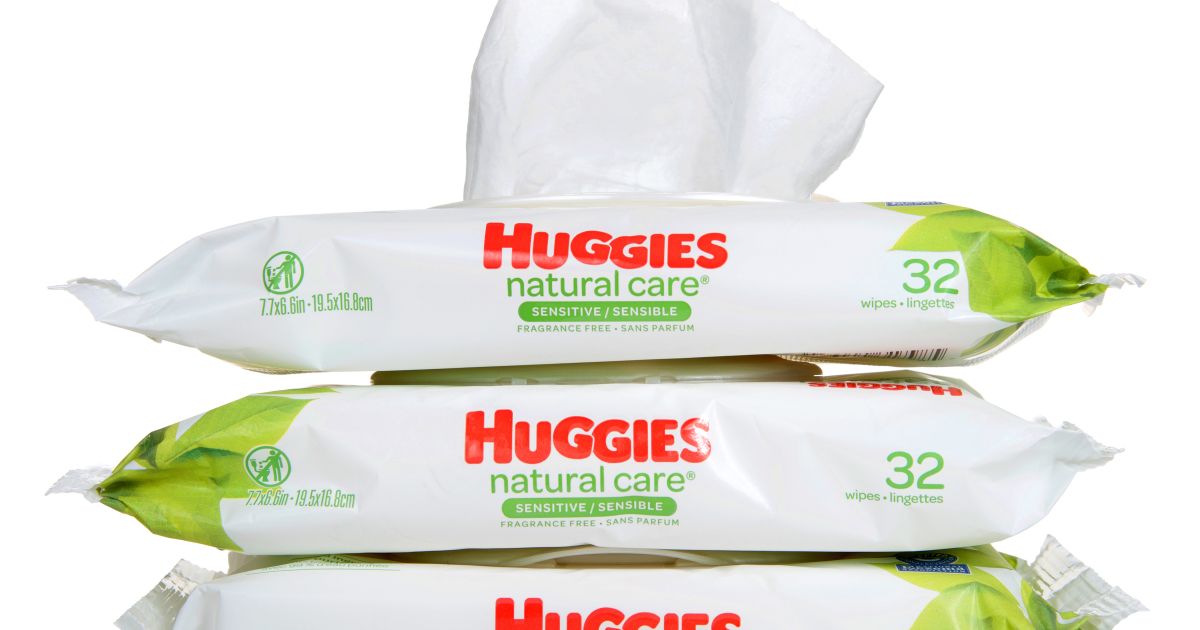

Parents and caregivers consistently prioritize the safety and well-being of their children, carefully selecting products advertised as safe and gentle. Unfortunately, consumer trust can be severely compromised when companies allegedly fail to disclose harmful ingredients. A recent Huggies baby wipes class action lawsuit brings these critical concerns to light, accusing Kimberly-Clark Corporation of misleading consumers about the safety of its Huggies Simply Clean Fragrance Free baby wipes.
This article delves into the lawsuit’s specifics, providing a comprehensive overview of the allegations, potential health implications, and steps consumers can take if they’ve used these products. Understanding these details is crucial for safeguarding the health of young children and ensuring informed purchasing decisions.
Background of the Huggies Baby Wipes Class Action Lawsuit
Filed by plaintiffs Bridget Erickson and Erica Stevenson on December 16 in California federal court, the lawsuit alleges Kimberly-Clark misrepresented the safety of its Huggies Simply Clean Fragrance Free baby wipes. At the heart of the complaint are per- and polyfluoroalkyl substances (PFAS), synthetic chemicals known for their persistence and harmful effects, particularly on vulnerable populations like infants and toddlers.
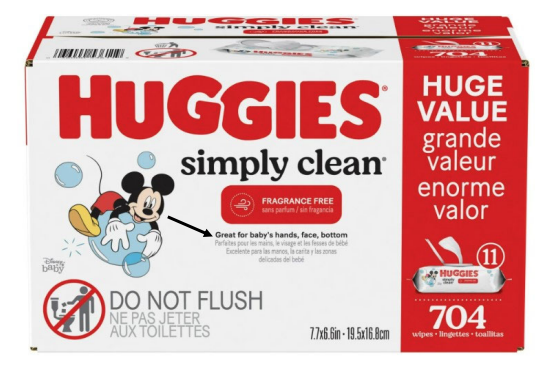
According to the lawsuit, independent laboratory testing conducted in March 2024 revealed alarmingly high PFAS levels—specifically, 305 parts per trillion (PPT)—in the Huggies wipes. The plaintiffs argue these findings starkly contradict the product’s advertised safety, marketed under labels such as “simply clean” and “gentle ingredients.”
PFAS chemicals are widely recognized for their durability and resistance to breakdown, earning them the moniker “forever chemicals.” Due to their longevity in the environment and human body, PFAS exposure—even at low levels—is linked to various health risks, particularly developmental issues in children.
Allegations and Legal Claims in the Class Action Lawsuit
The lawsuit includes several significant allegations against Kimberly-Clark:
- False and Misleading Advertising: Kimberly-Clark allegedly marketed Huggies wipes as safe and gentle without disclosing harmful PFAS chemicals.
- Economic Harm: Consumers reportedly paid a premium for products falsely advertised as safe. Plaintiffs assert they would not have purchased the wipes had they known about the PFAS content.
- Violation of Consumer Protection Laws: The plaintiffs claim Kimberly-Clark violated California’s Consumers Legal Remedies Act, Unfair Competition Law, and False Advertising Law.
- Breach of Warranty and Unjust Enrichment: The plaintiffs argue that Kimberly-Clark unjustly profited from falsely representing their products as safe.
Erickson and Stevenson aim to represent both nationwide and California-specific classes, seeking compensatory, statutory, and punitive damages for affected consumers.
Understanding PFAS and Its Risks
PFAS chemicals are used extensively in various consumer products due to their water-resistant and non-stick properties. However, their resistance to degradation means they accumulate persistently in the environment and human bodies, potentially causing significant health issues.
Exposure to PFAS has been linked to:
- Developmental problems in infants and children
- Increased cancer risk
- Hormonal disruptions
- Immune system impacts
- Liver and kidney issues
These concerns underscore the severity of allegations in the Huggies baby wipes class action lawsuit, highlighting the necessity for companies to maintain transparency and safety in their product offerings.
Impact on Consumers
The implications of this lawsuit extend beyond financial considerations, encompassing significant health and trust issues:
Health Risks
The primary concern remains potential exposure to harmful chemicals, which can lead to lasting health impacts, especially in children.
Economic Considerations
Consumers have reportedly incurred unnecessary expenses by purchasing products under false pretenses.
Erosion of Trust
Misleading advertising can significantly damage consumer trust, particularly in products marketed for children’s care and safety.
Recommended Actions for Affected Consumers
Consumers who have purchased and used the Huggies Simply Clean Fragrance Free baby wipes can take several immediate actions:
Step 1: Document Your Purchase
Keep all purchase receipts and packaging materials as evidence.
Step 2: Monitor Health
Consult pediatricians if you have concerns about your child’s health due to potential PFAS exposure.
Step 3: Stay Informed
Keep updated with news regarding the ongoing litigation to understand your rights fully.
Step 4: Seek Legal Advice
Consider consulting with a consumer rights attorney to explore legal options and remedies available to you.
Have You Been Affected by Huggies Baby Wipes?
Consumers impacted by the alleged misleading claims about Huggies wipes should remain proactive. Participating in class action litigation can be an effective means to seek justice and potential compensation. Stay informed on this lawsuit’s progress through regular updates and consumer protection resources.
Conclusion: Importance of Product Transparency and Safety
The Huggies baby wipes class action lawsuit highlights critical issues around product safety, transparency, and consumer trust. Companies bear a significant responsibility to ensure their products meet advertised safety standards, especially when marketed to vulnerable populations like infants and toddlers.
Consumers deserve accurate, transparent information to make informed choices that align with their health and safety standards. If you’ve used these wipes, proactive steps such as documenting your experience, monitoring health, and exploring legal options are crucial.
For further developments and consumer safety information related to this and similar cases, regularly visit our dedicated consumer rights resource center.